
The Unforeseen Marvel
- 2024
- HORADOS project
- Mazarrón (spain)
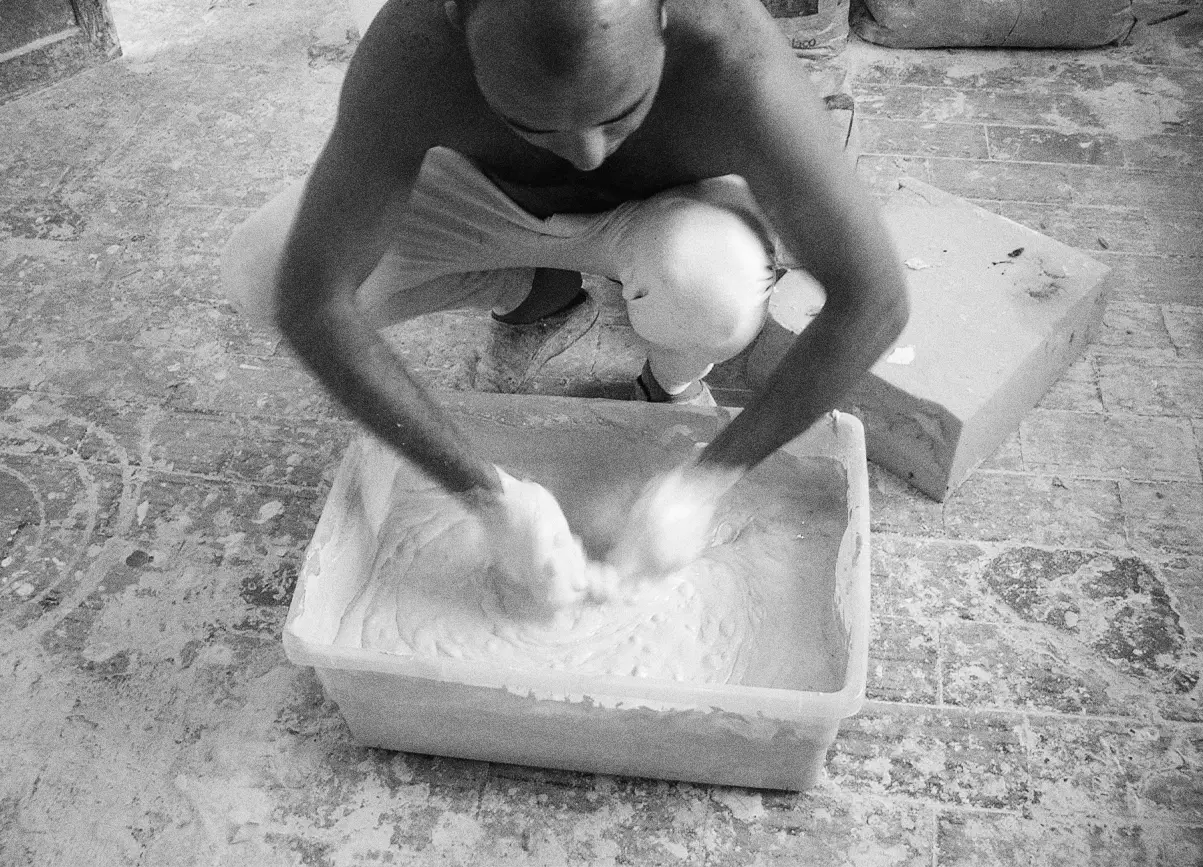
Creative process
timeline of creation

Reflections on the Work
The exhibition “The Unforeseen Marvel” (part of the Horados project) is a journey into our mining past, full of light and shadow. Certainly, it is a mesmerizing journey because Lidó Rico’s creative dimension is capable of inventing cultural languages and new forms of expression that immerse us in a unique universe that is very hard to remain indifferent to. That is the great difference: the plasticity and commitment of his work are unique.
But long before reaching this point, we have to go back in time and ask about our origin. The subsoil of Mazarrón was formed during the Miocene period — approximately 10 million years ago — when powerful volcanic activity raised the hills of San Cristóbal, Perules, Pedreras Viejas, and Coto Fortuna and pierced them with veins of lead and silver.
Much later, humans began to unearth those hidden treasures: Phoenician navigators trading metals, Romans, Byzantines, Genoese merchants drawn by alum, and large European mining companies in the 19th century. More than two millennia of digging into the earth watch over us.
Today, the Mazarrón mines are a cultural landscape of indefinable beauty; they represent the dynamism of nature transformed by humans in their drive to extract wealth and exploit their fellow beings. Lidó Rico has captured that subliminal message and shows us an earth sliced open where ochres and reds draw furrows of infinite pain.
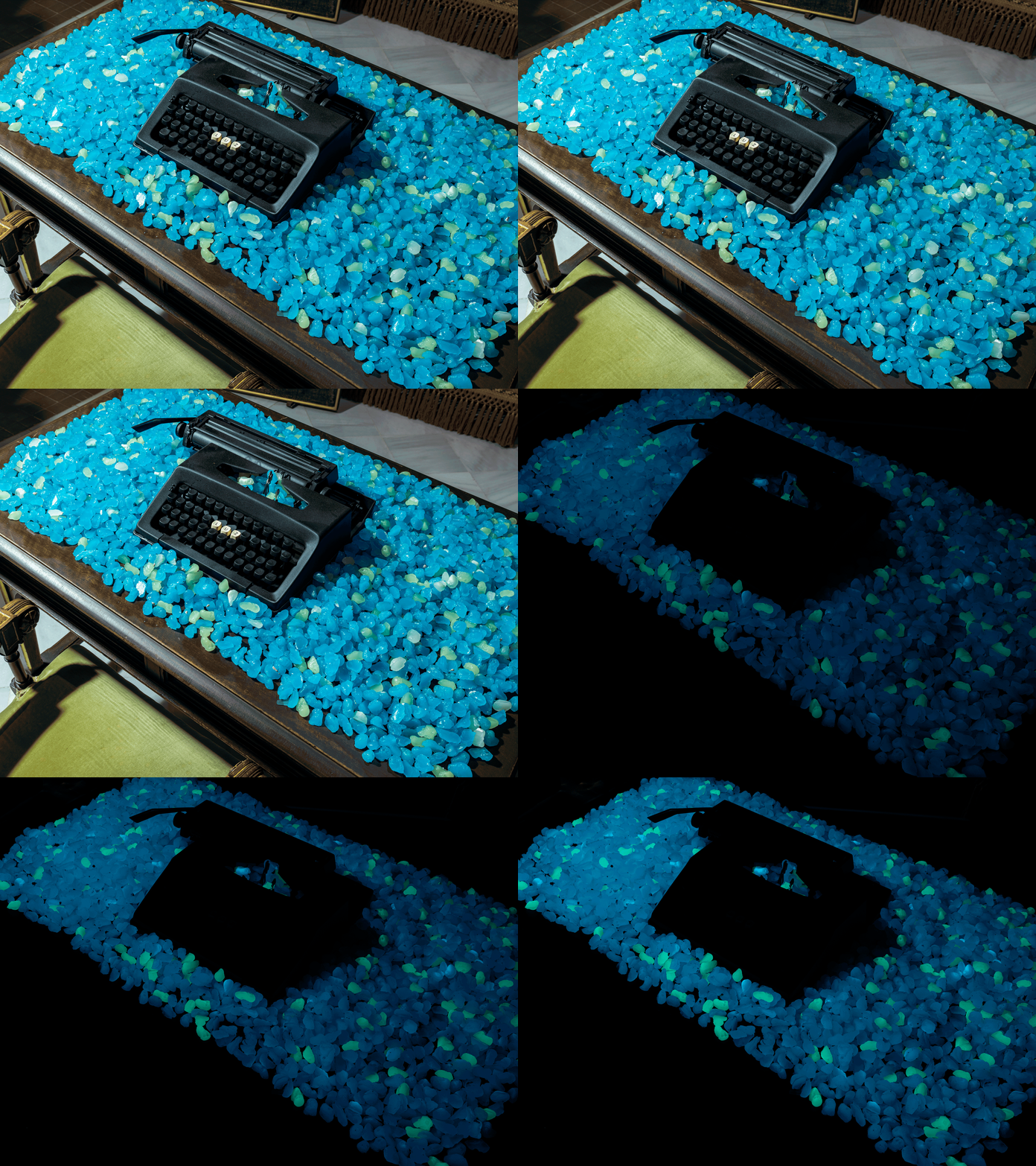
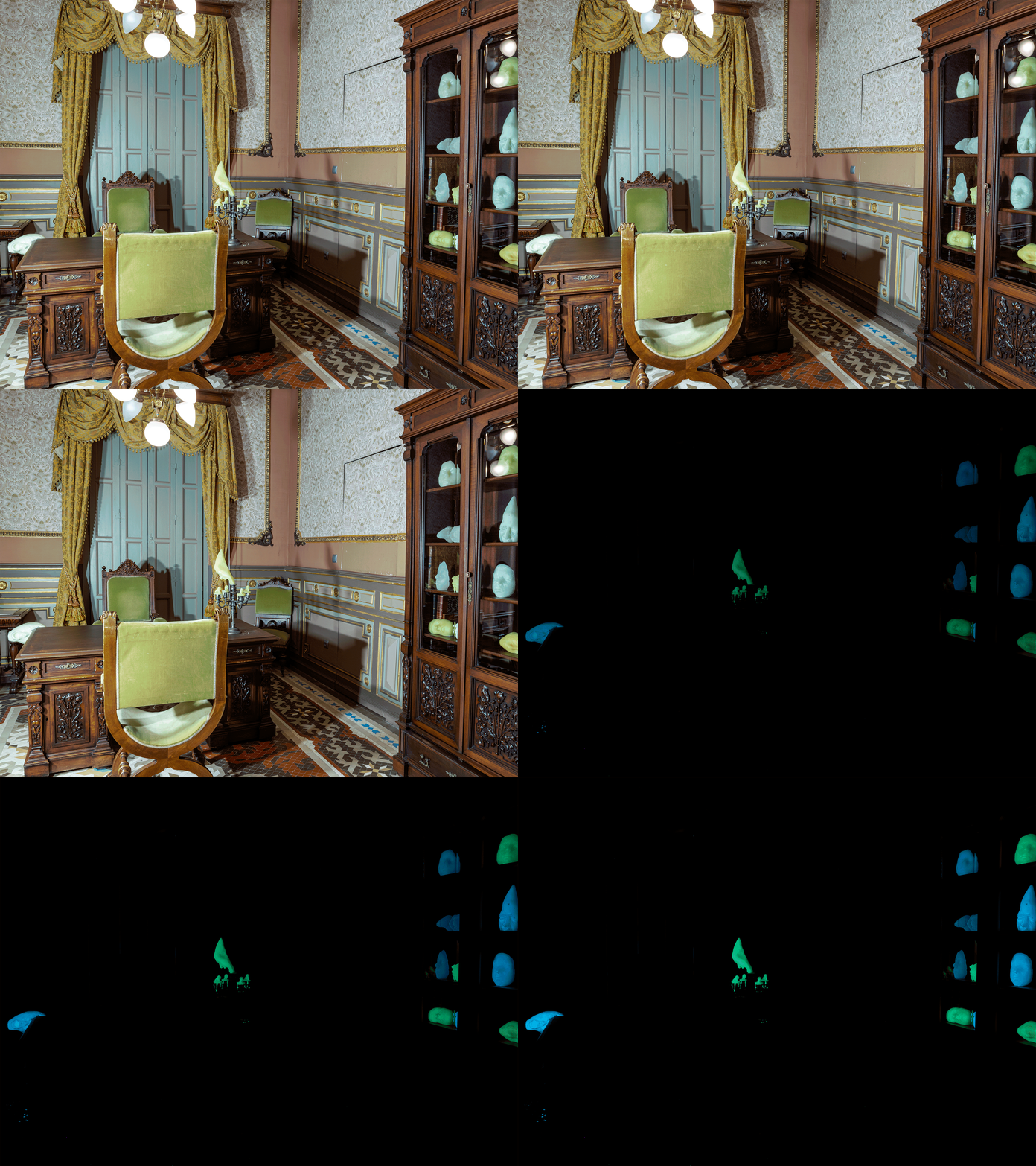
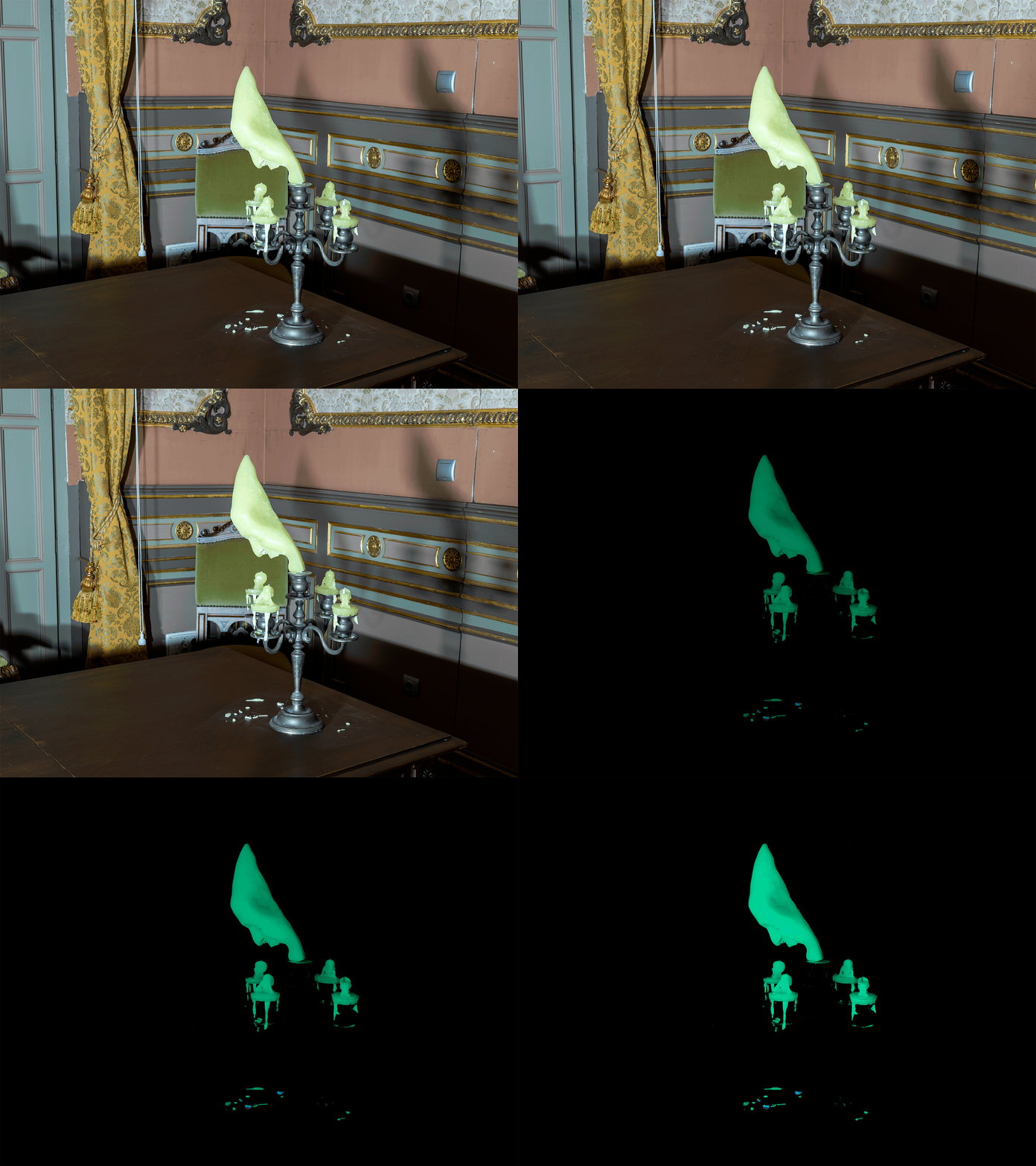
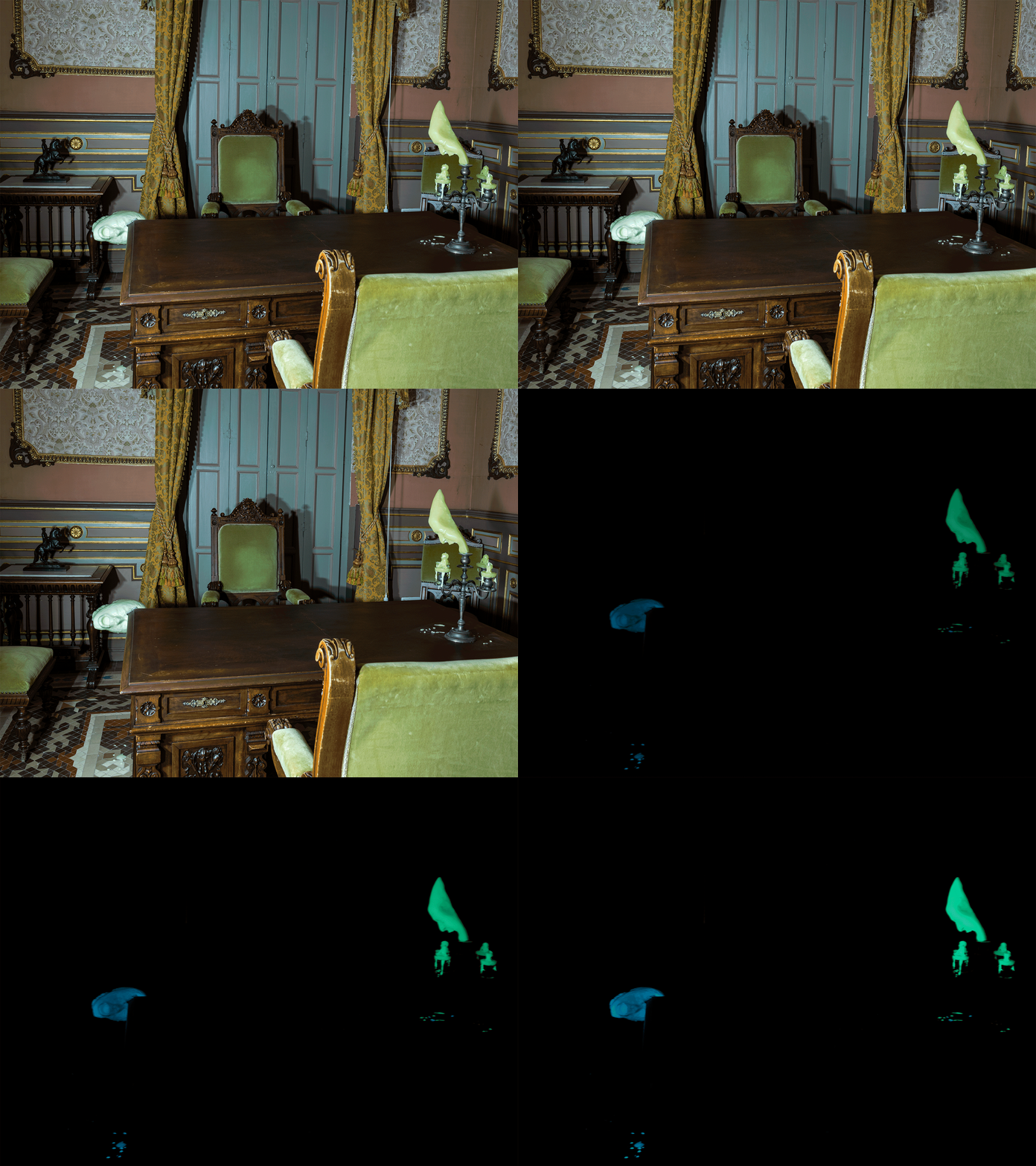
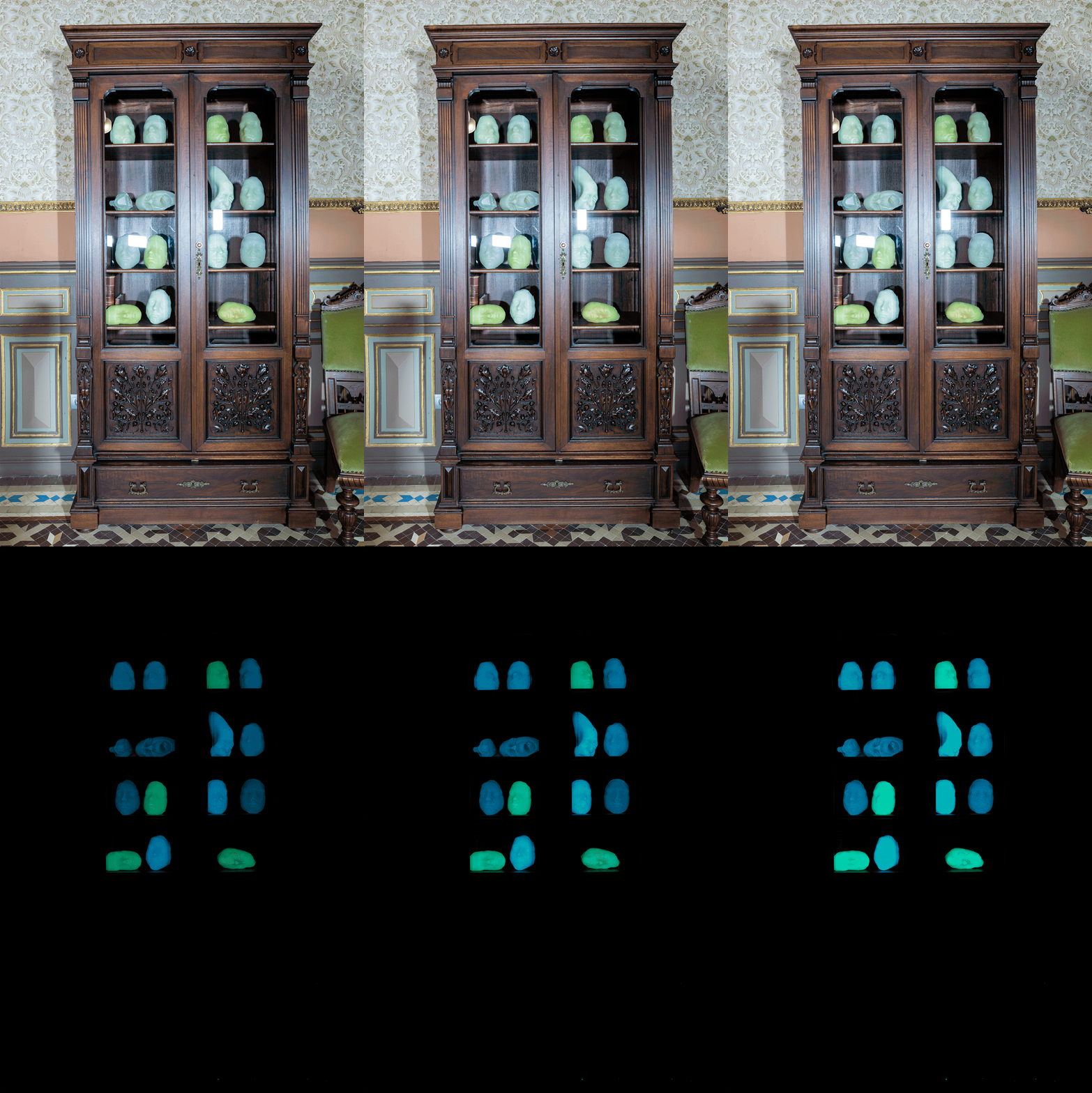
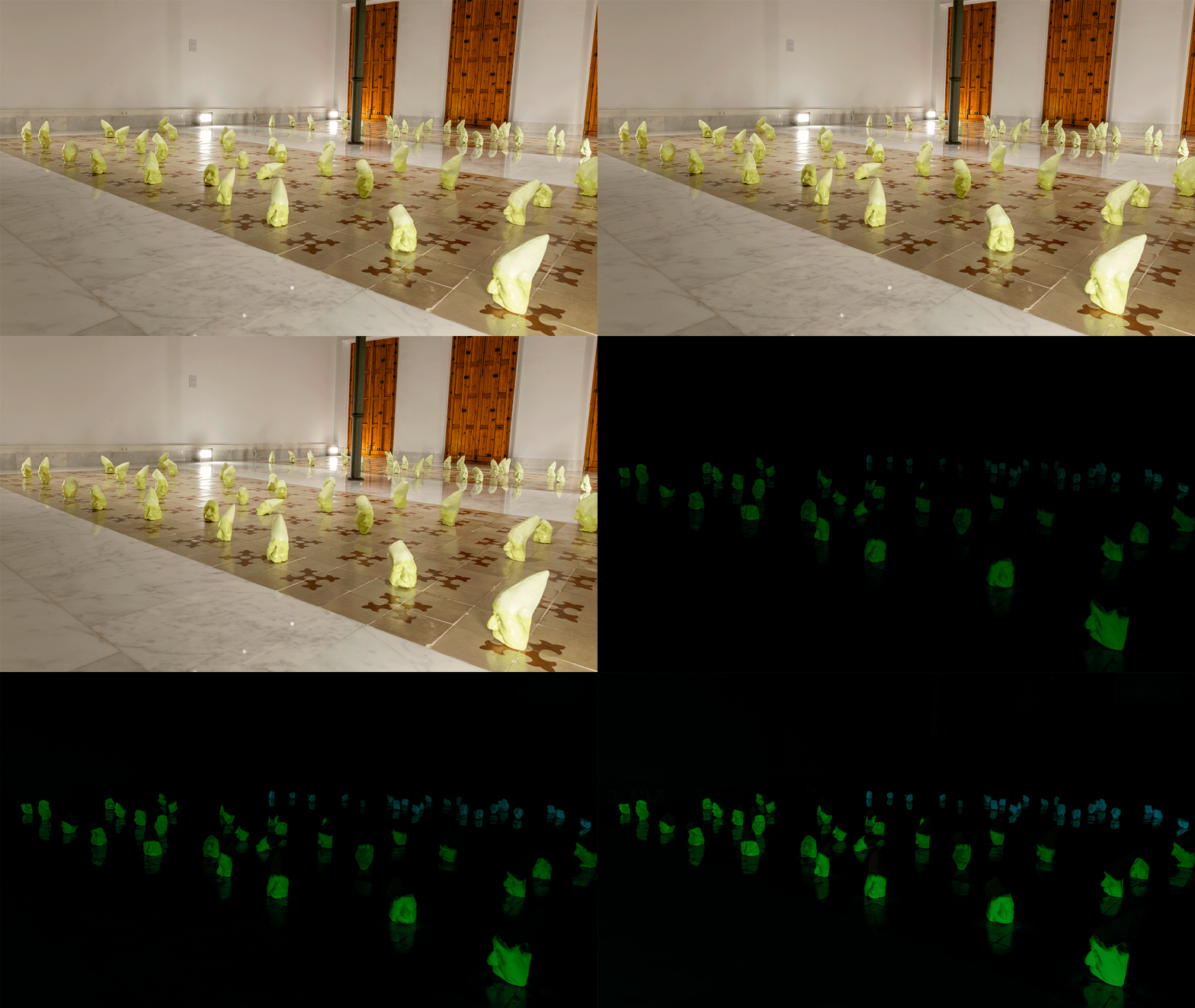
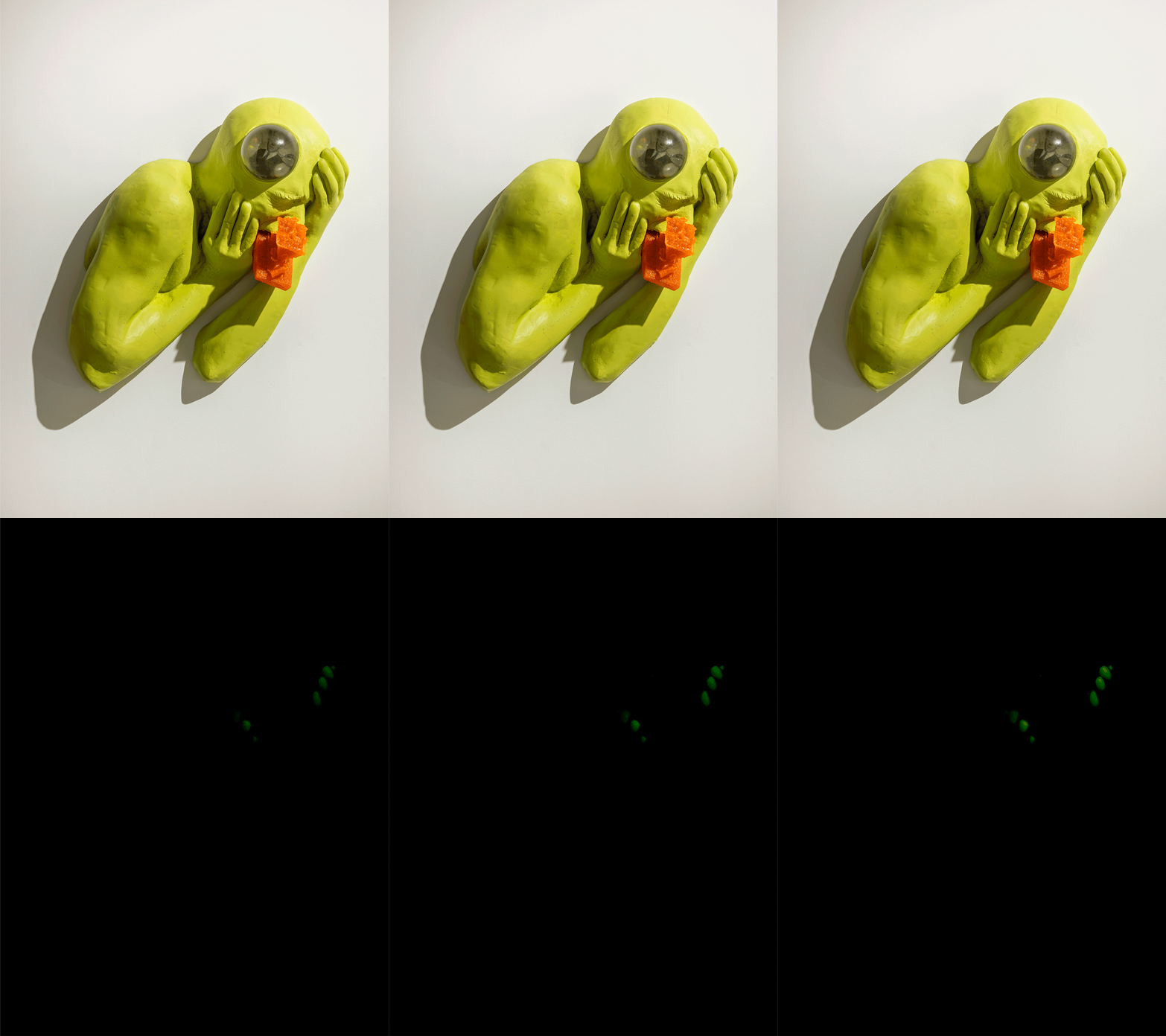
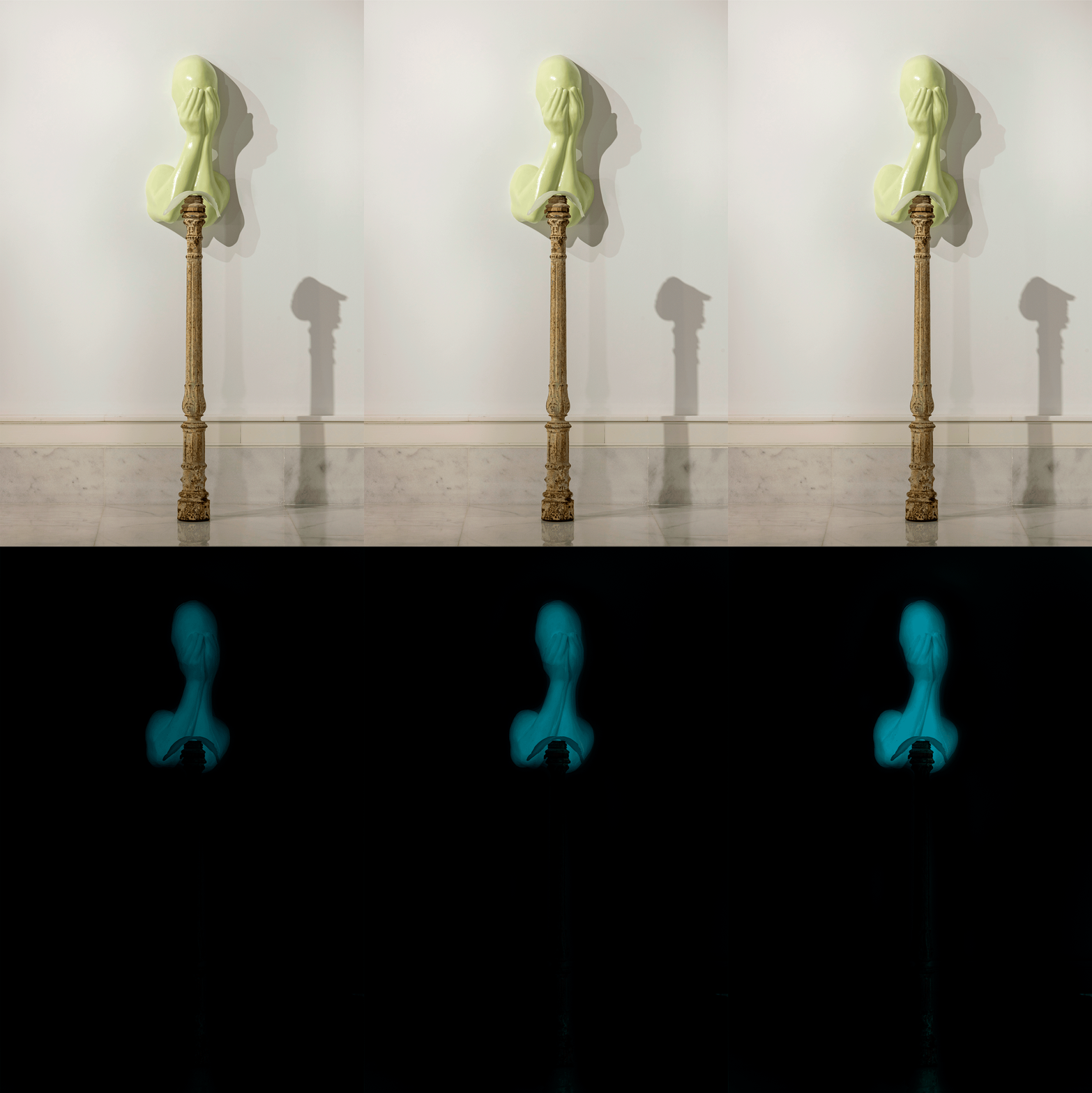
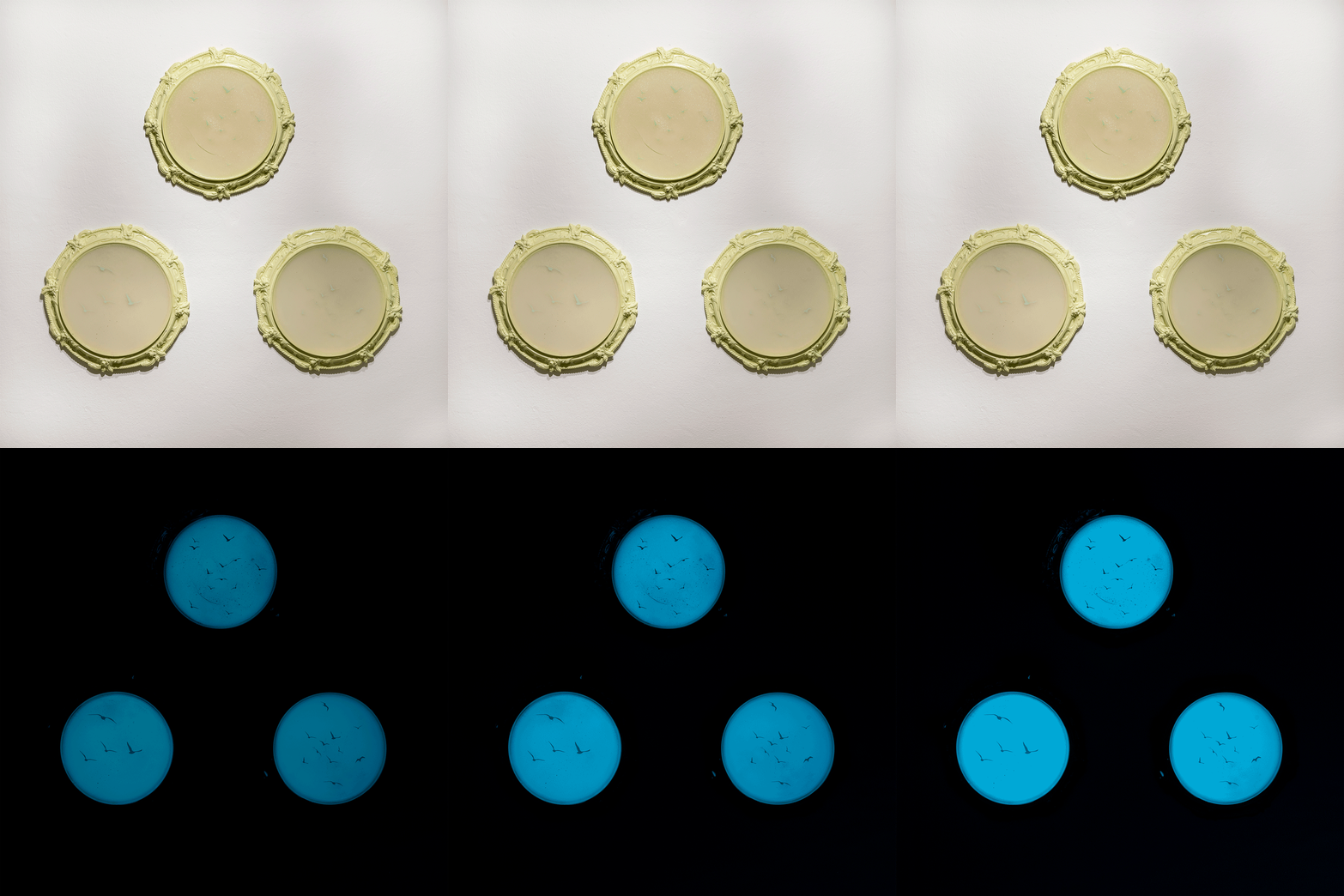
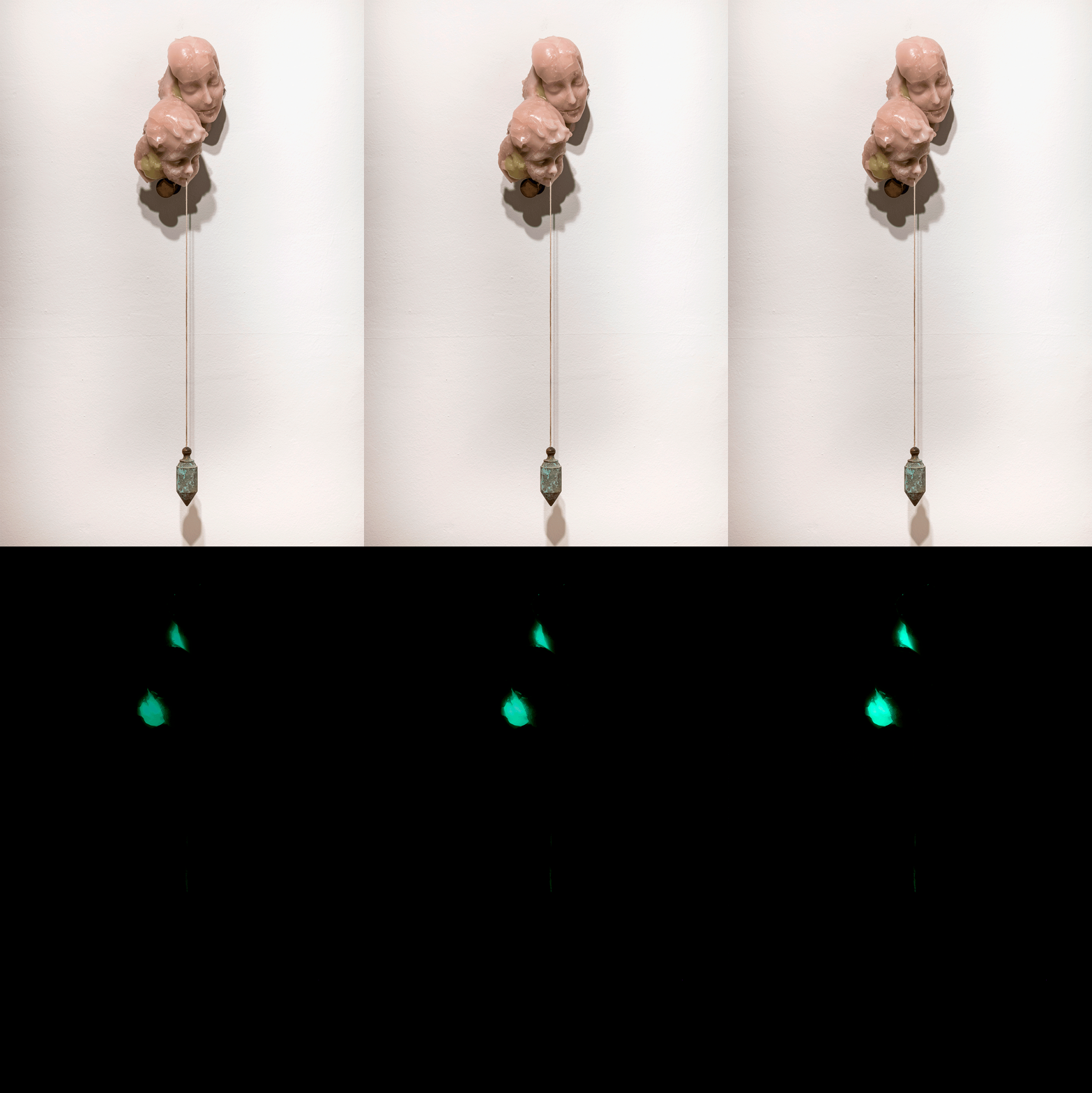
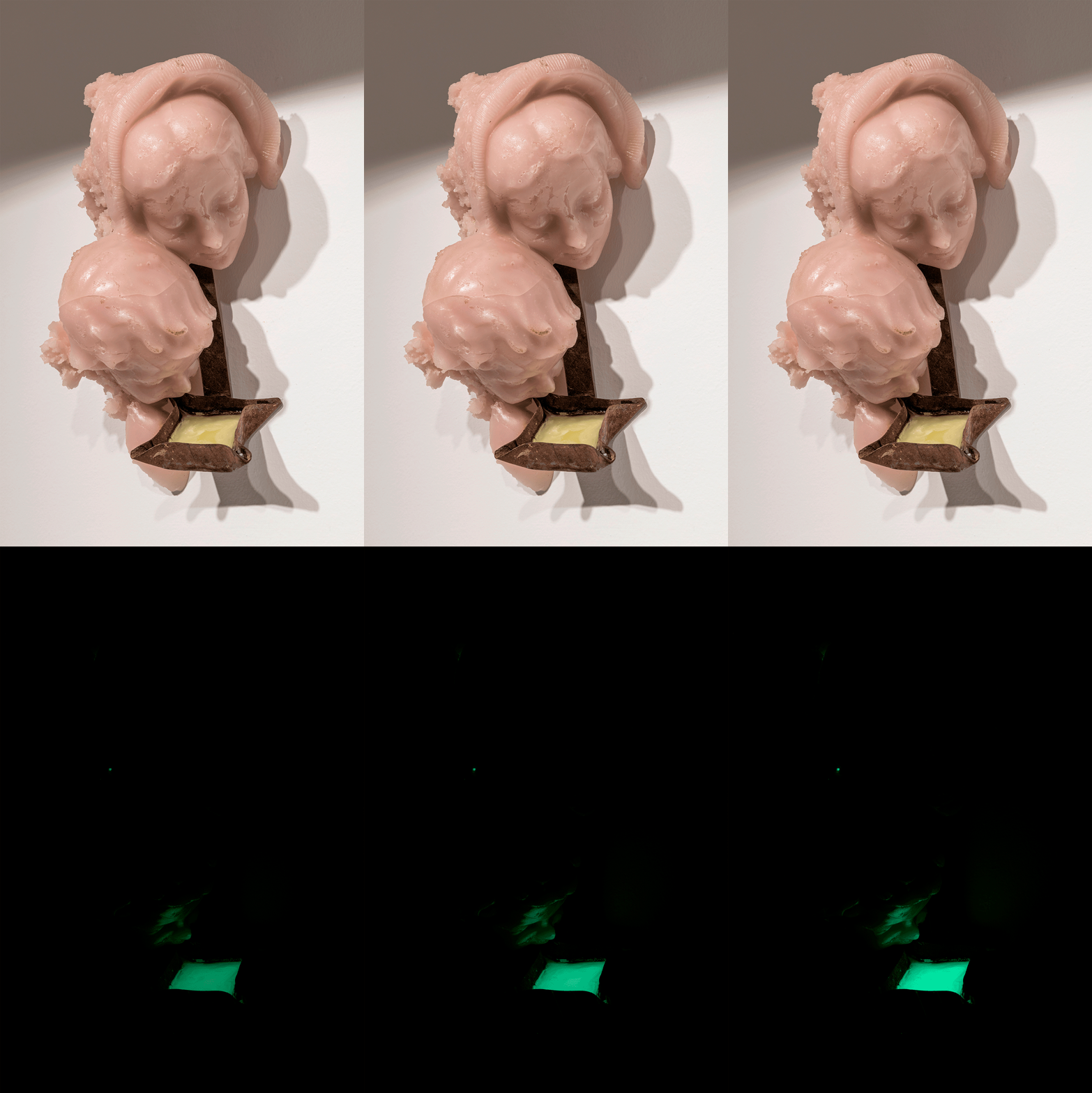
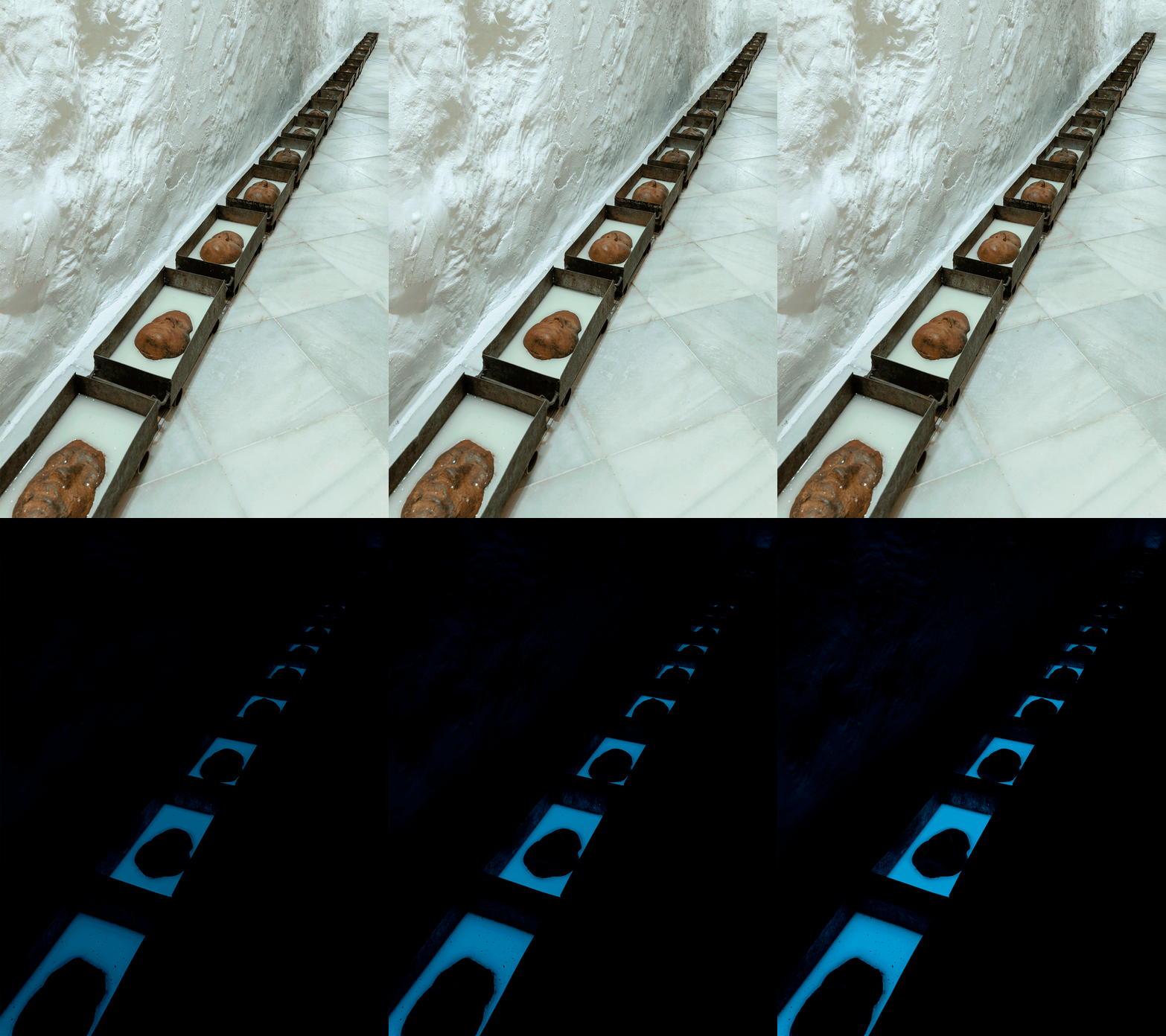
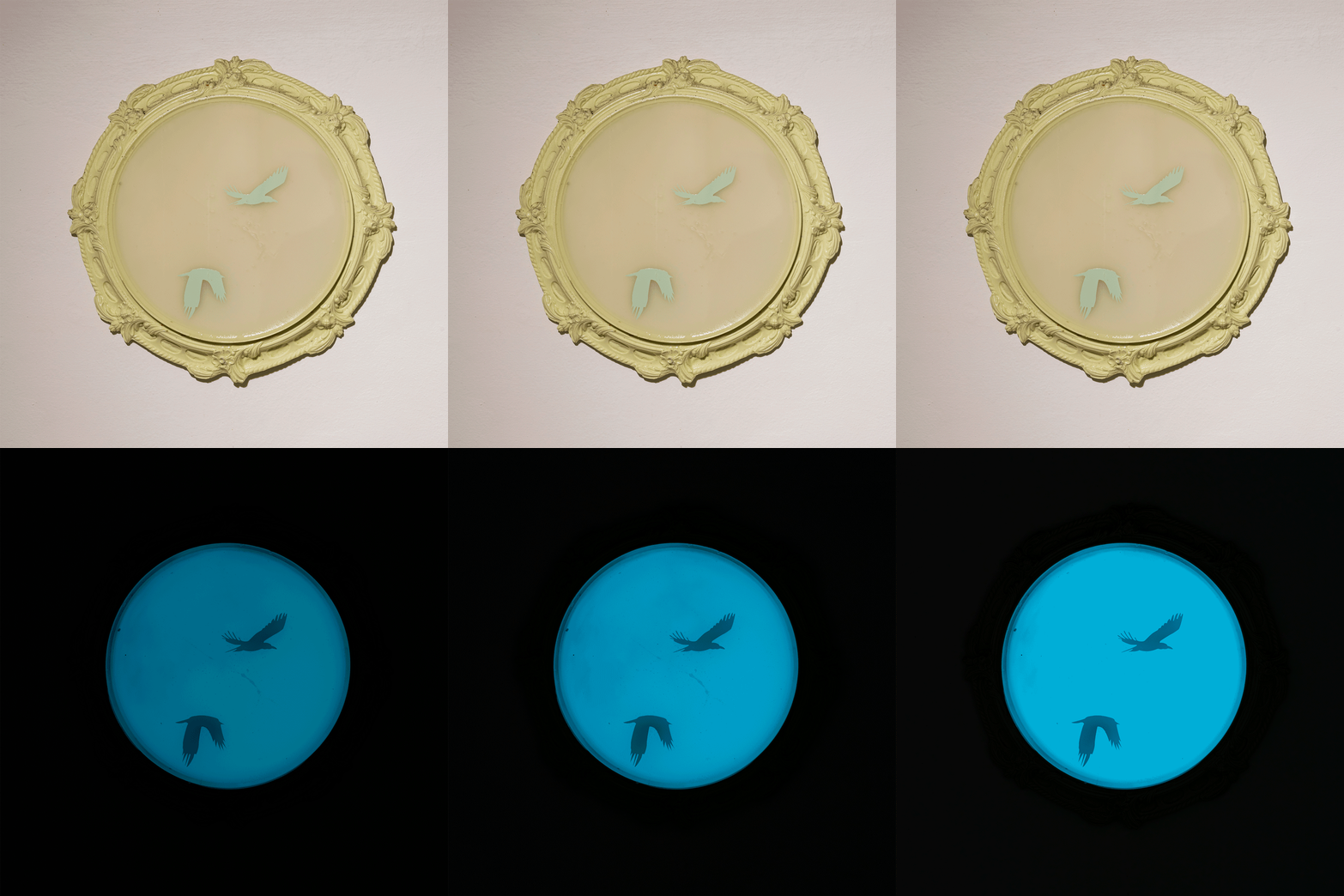
His work, like the subsoil of Mazarrón, is also the fruit of a powerful creative activity, almost eruptive, perhaps unforeseen, always prodigious. Lidó shows us the soul of our deepest history, carved into delirious fragments: the child labor of miner children is exposed in all its rawness with the drama proposed by the luminescences; the harsh work inside the galleries and the contemporary transit of the town through its characters, enclosed in the frames of a past that must always be heard.
Everything, absolutely everything, exudes truth. Perhaps because the artist does not understand any artistic expression that is not linked to authenticity and commitment.
The cultural and artistic heritage of Mazarrón today is much greater than yesterday, and that is thanks to Lidó Rico.
- Preview
- Next