
Dávida, Memory Pierces Through
- 2023
- HORADOS PROJECT
- Roman Theatre Museum Cartagena (SPAIN)
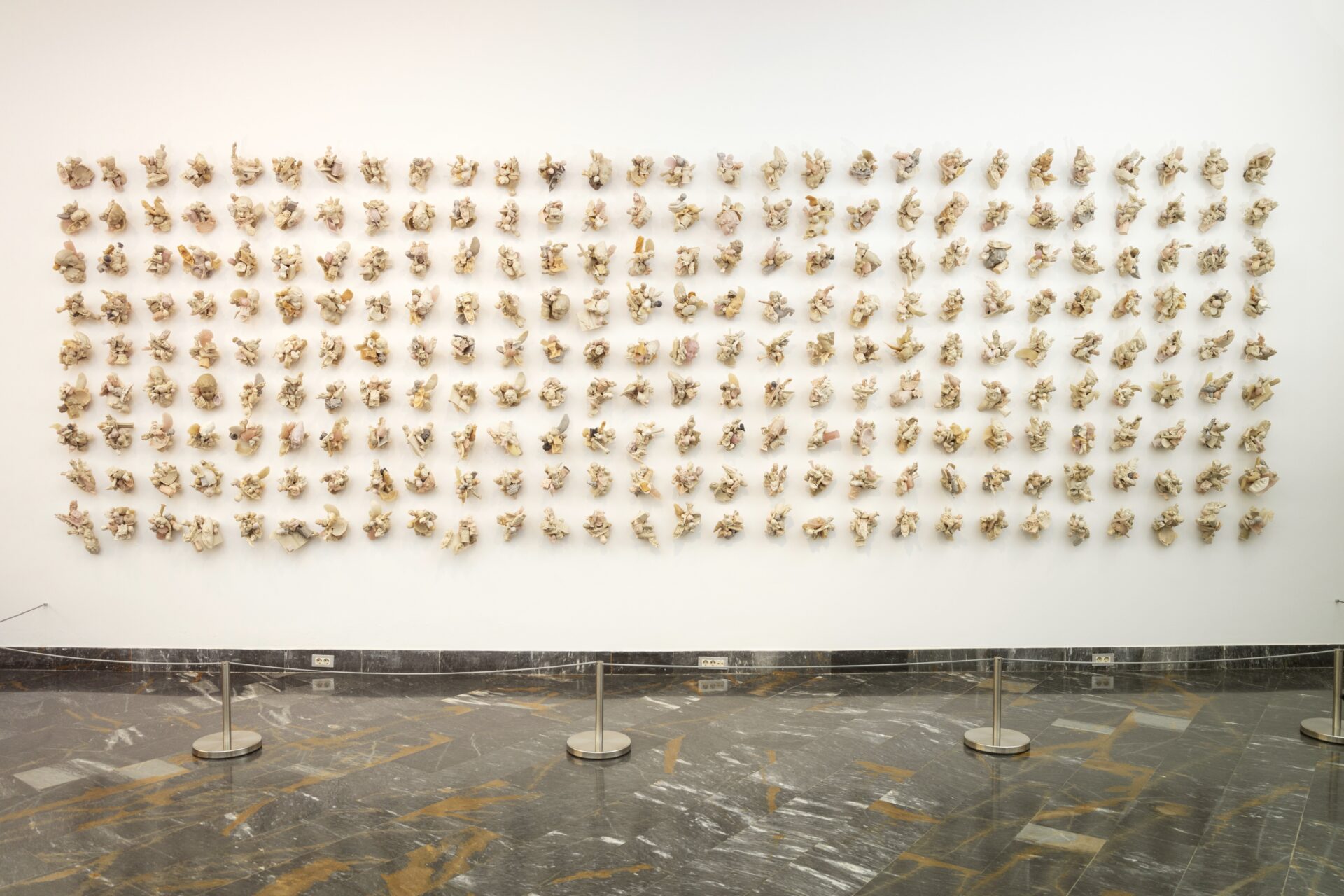
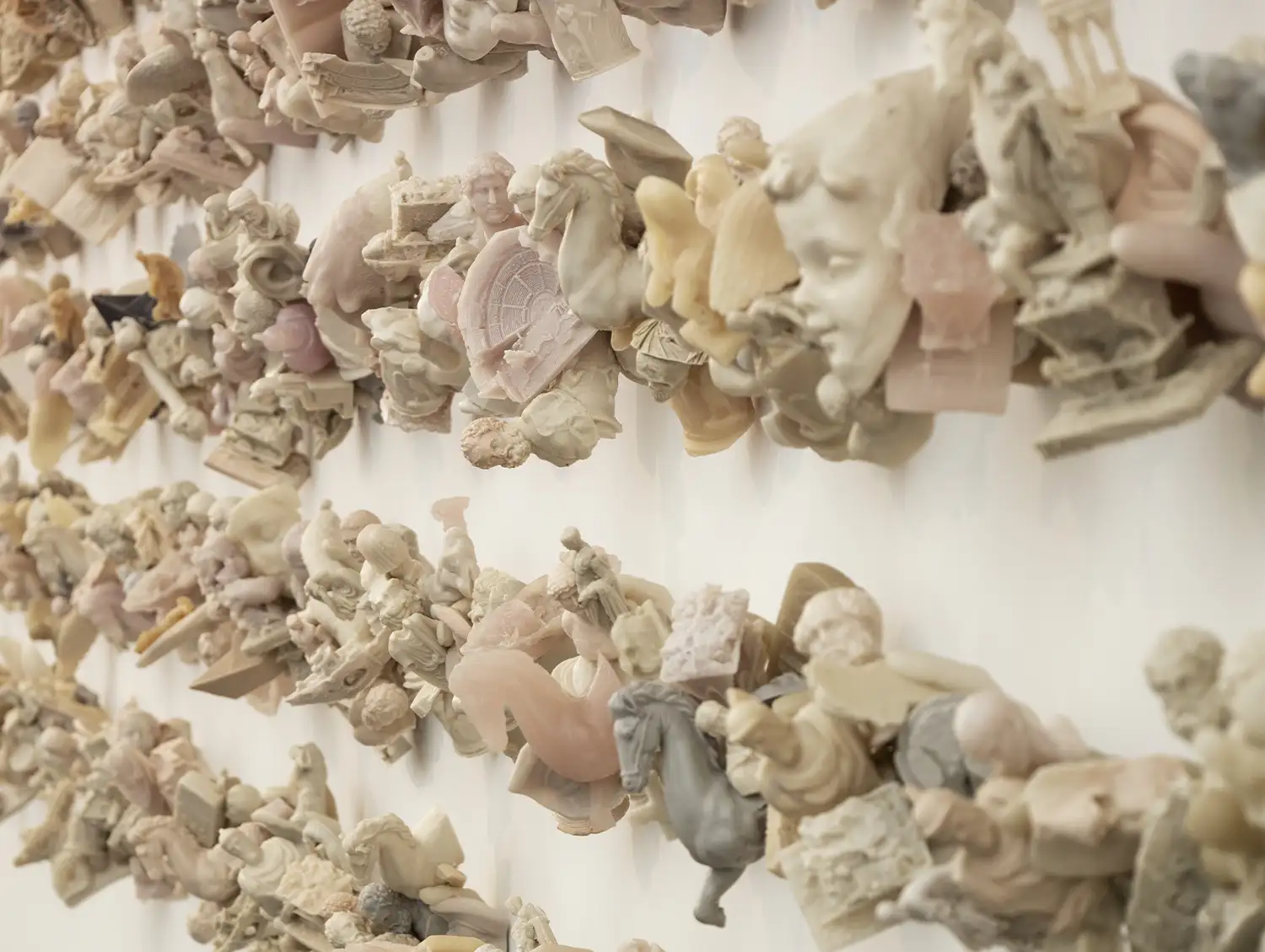
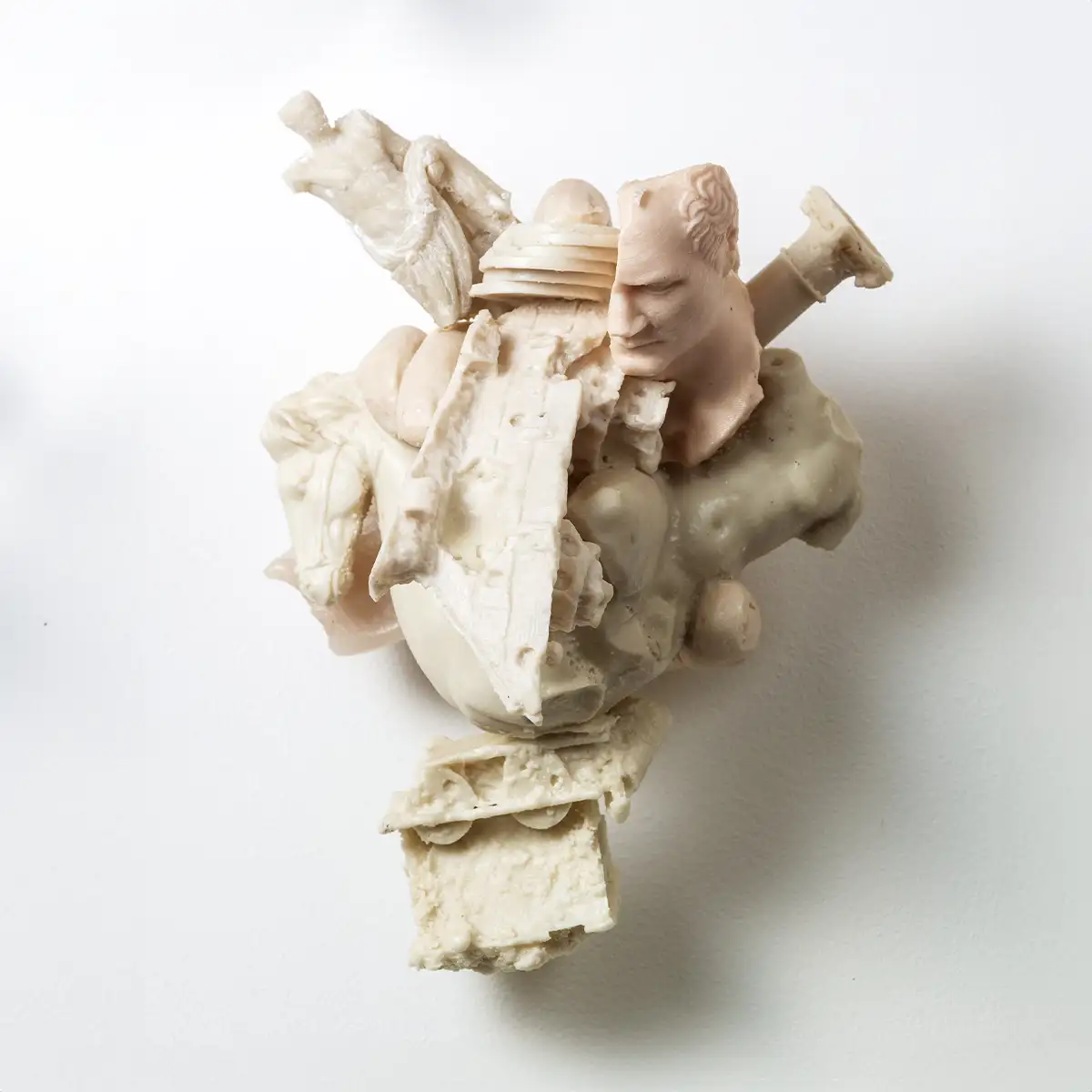
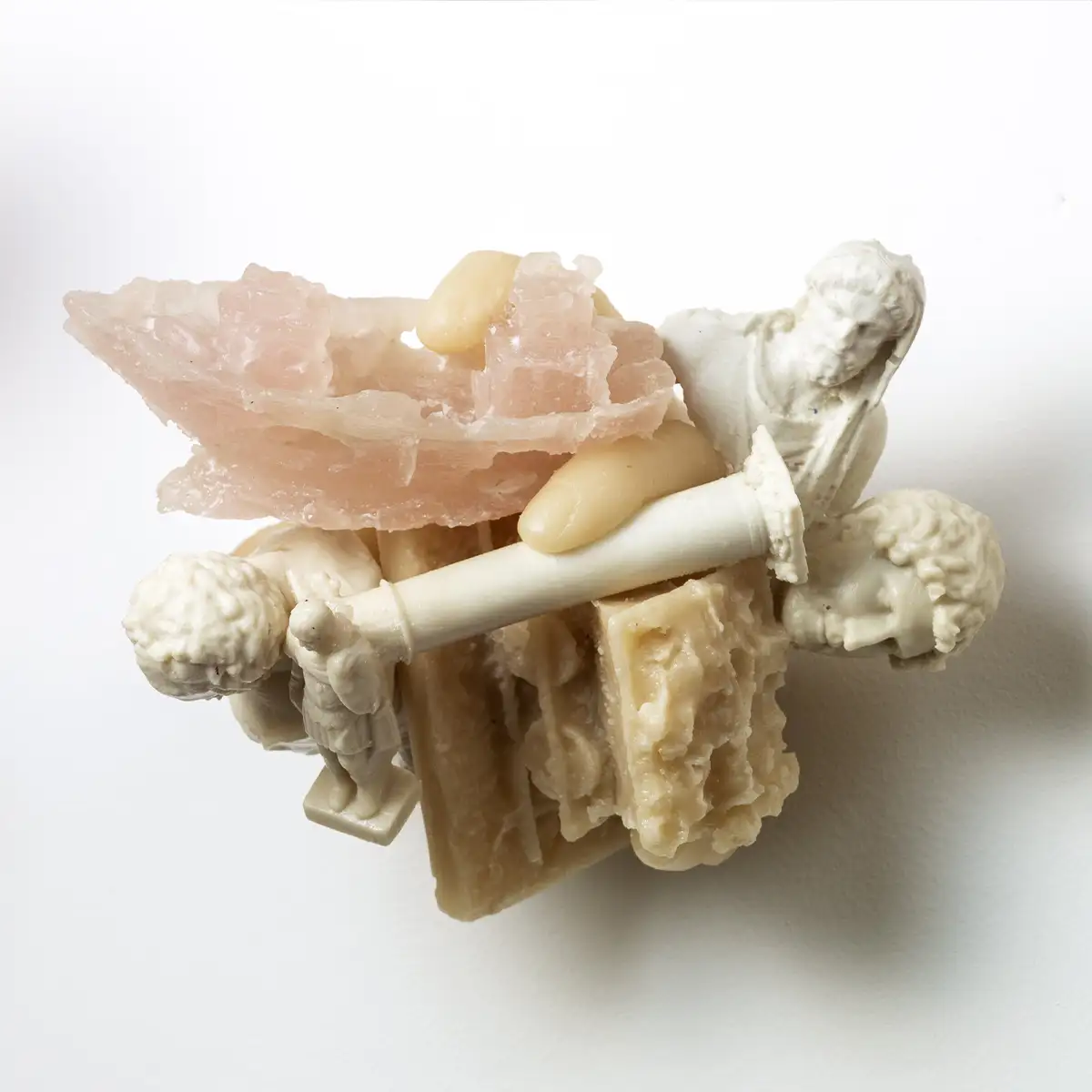
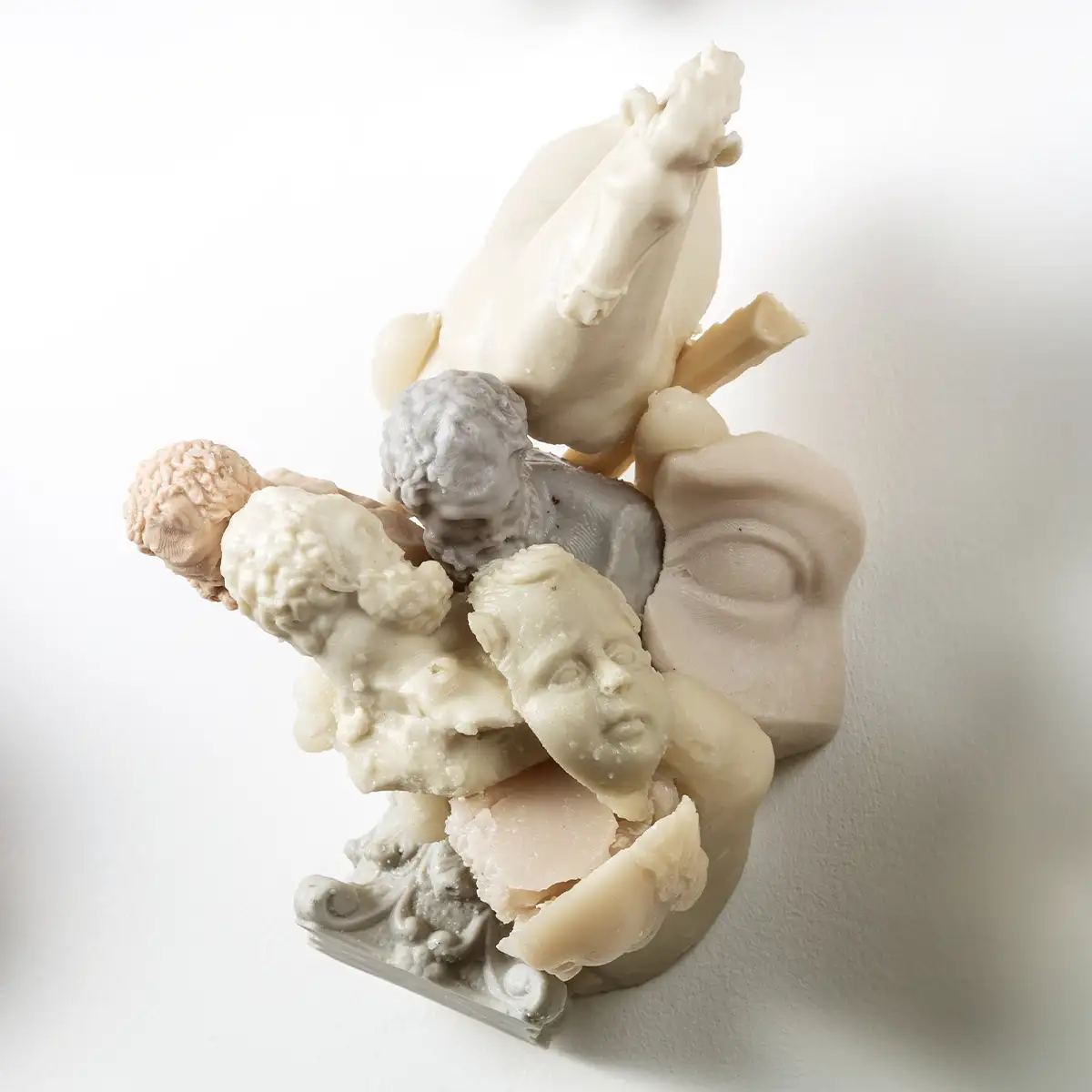
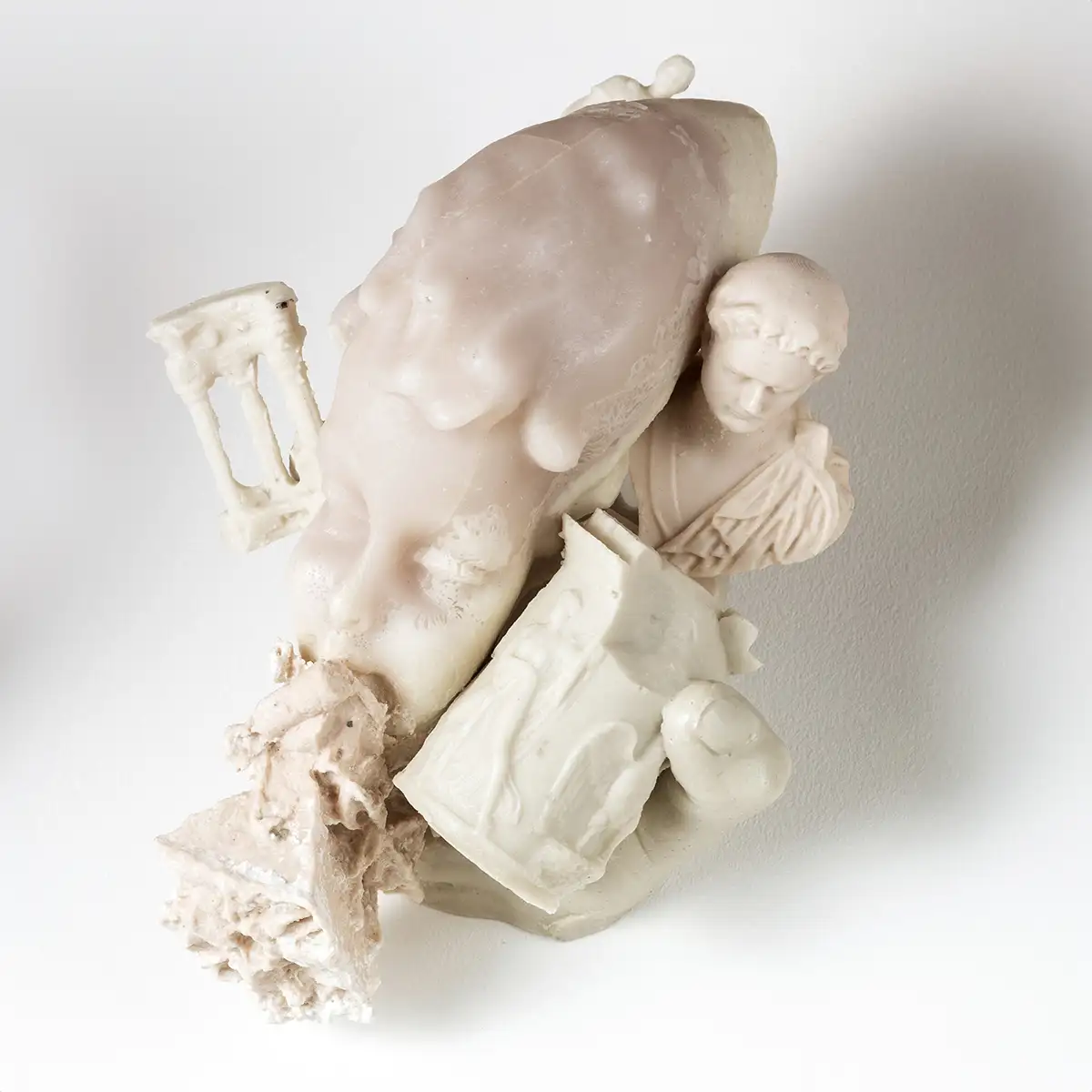
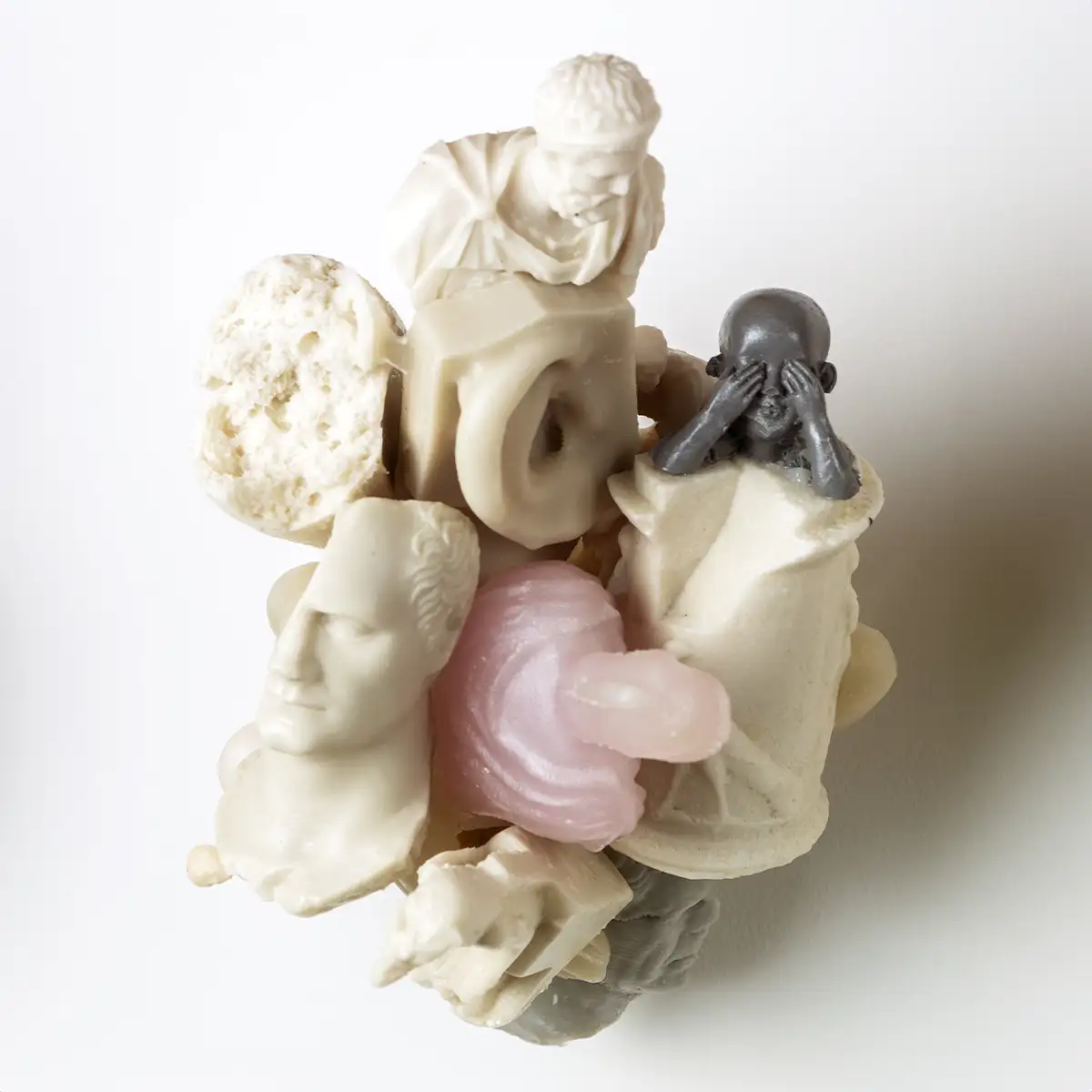
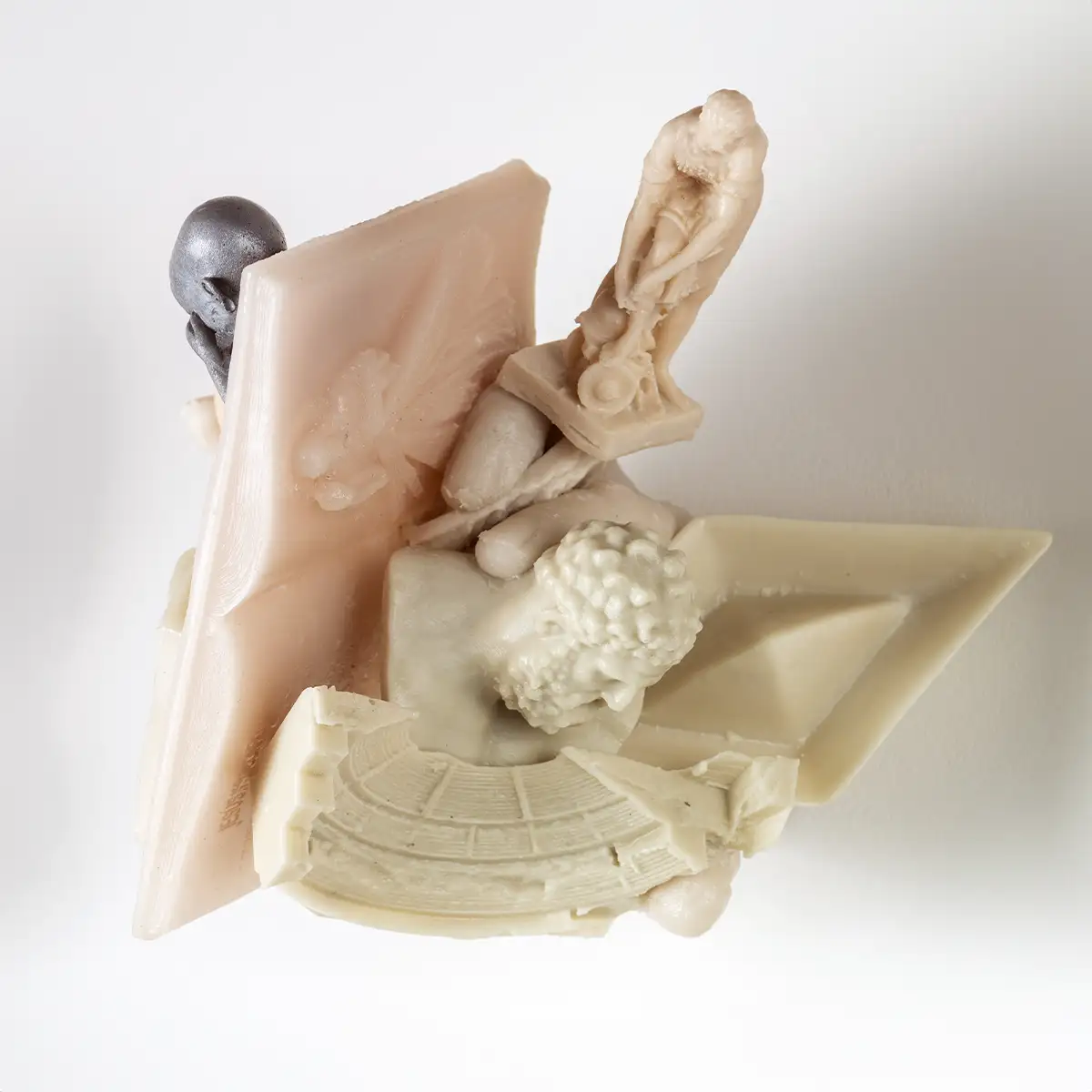
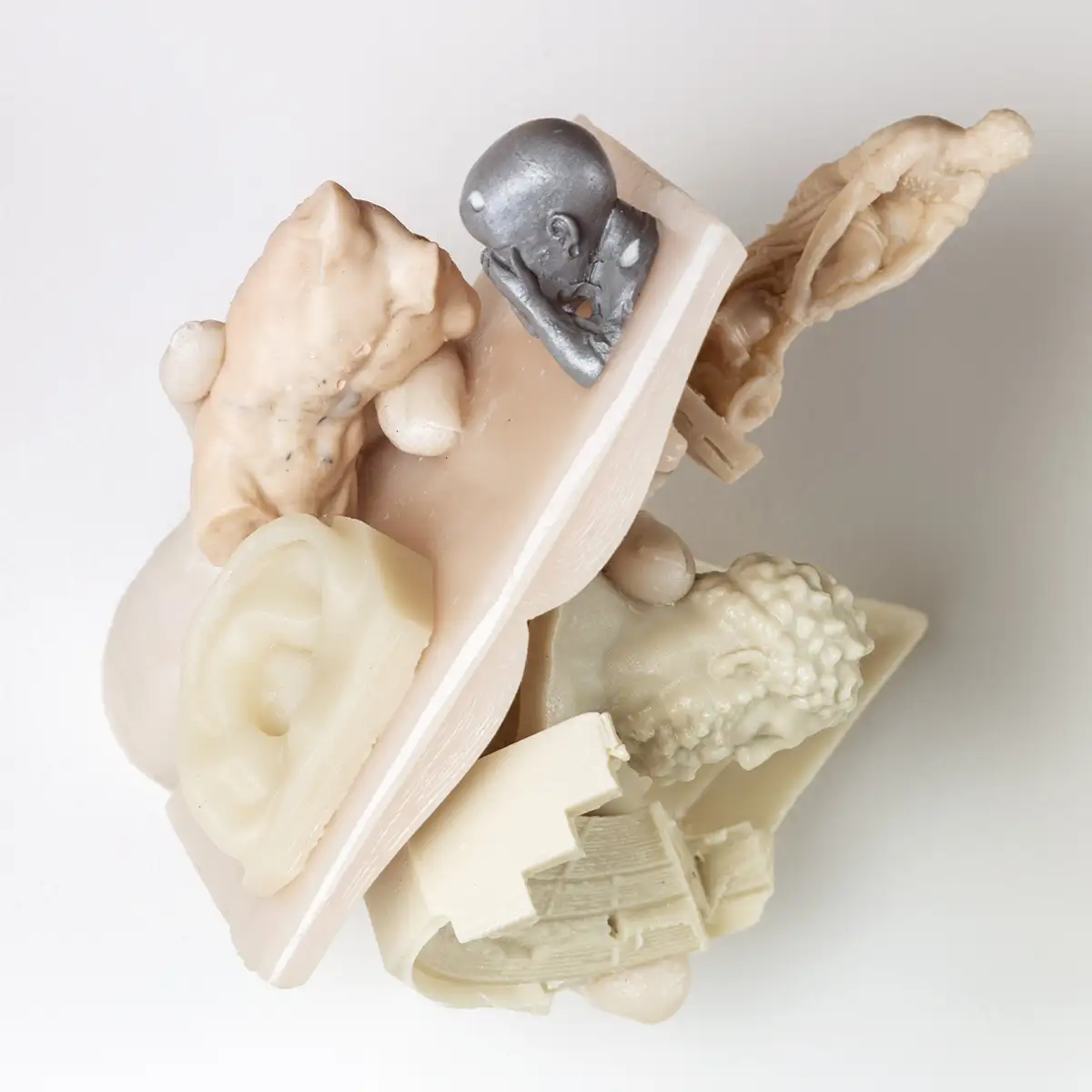
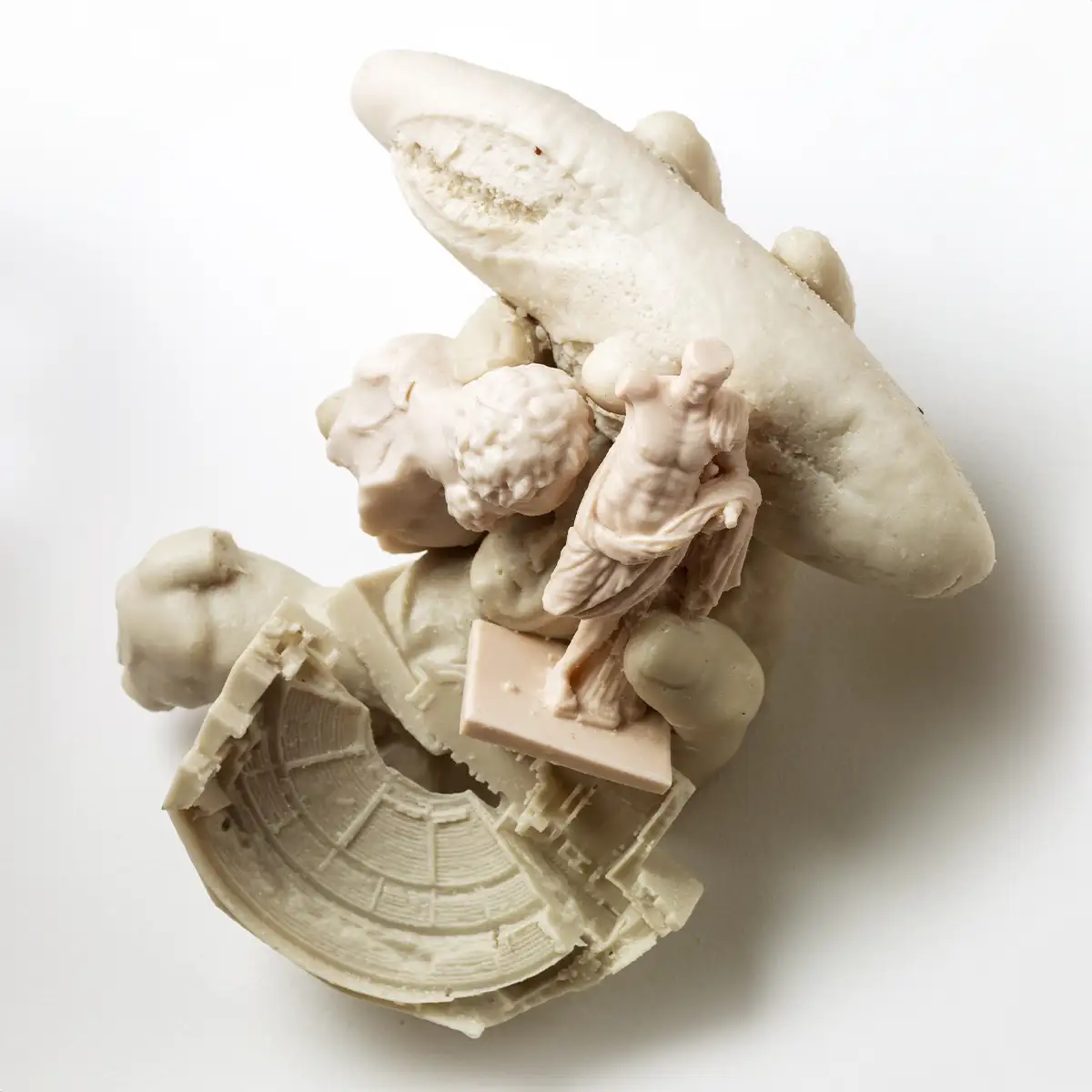
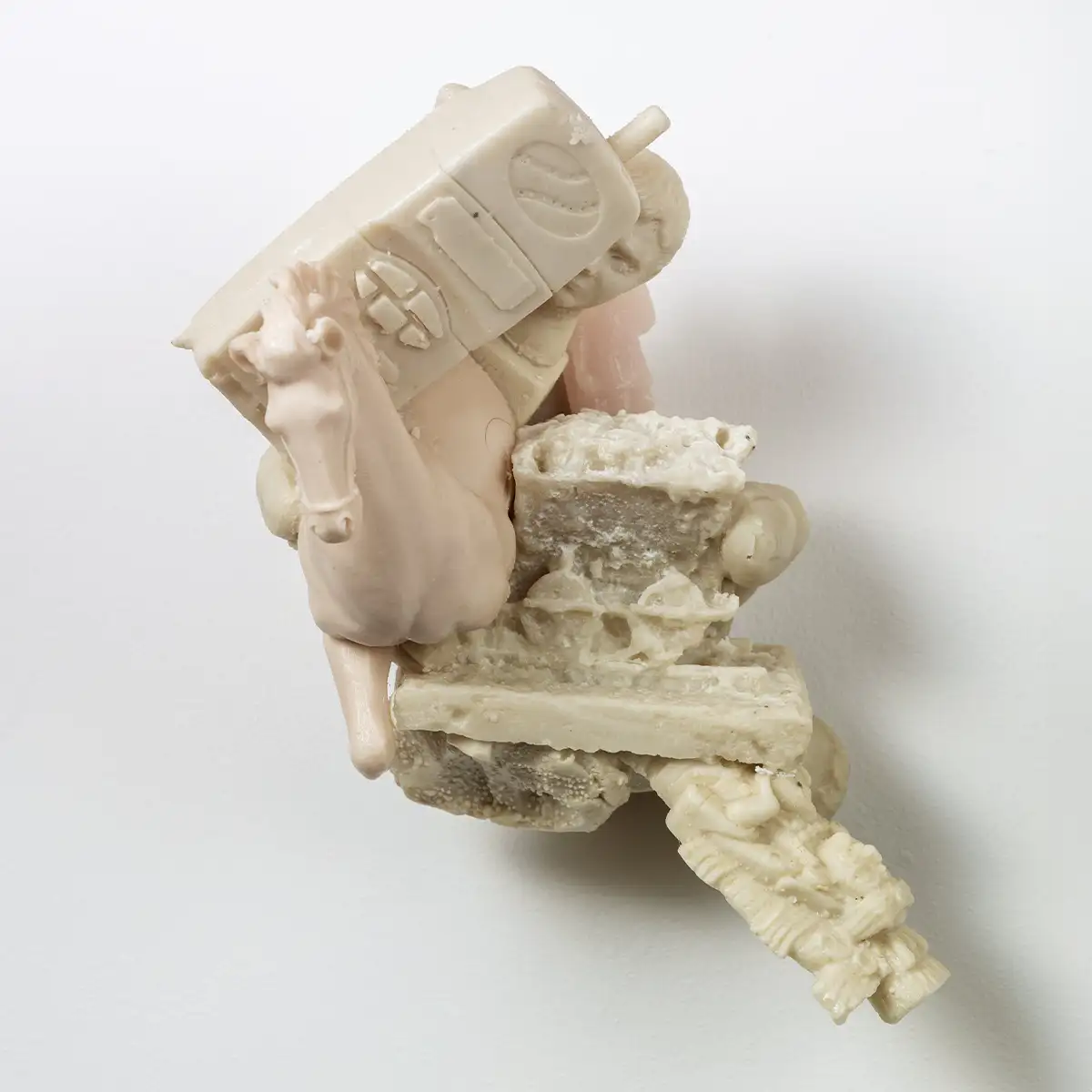
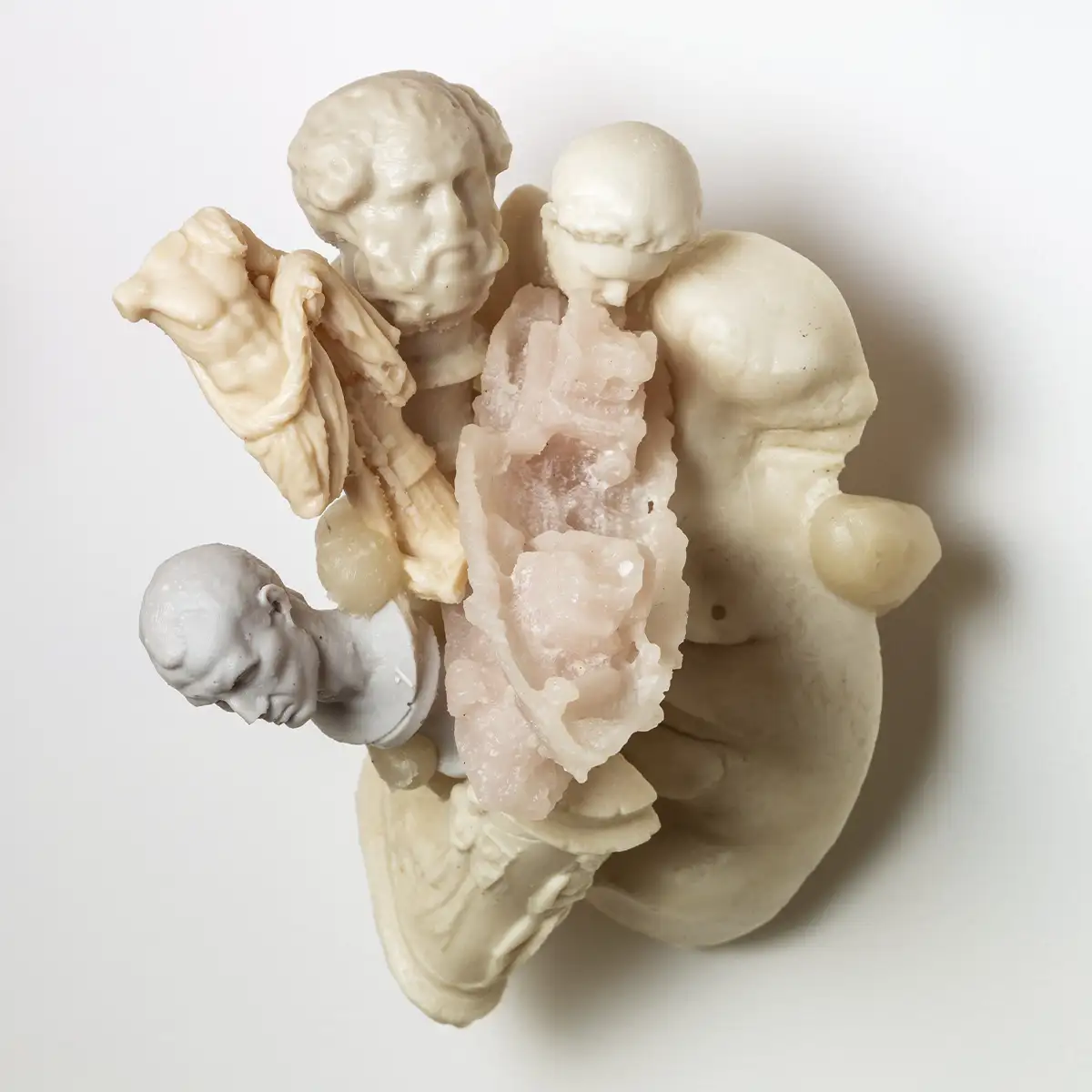
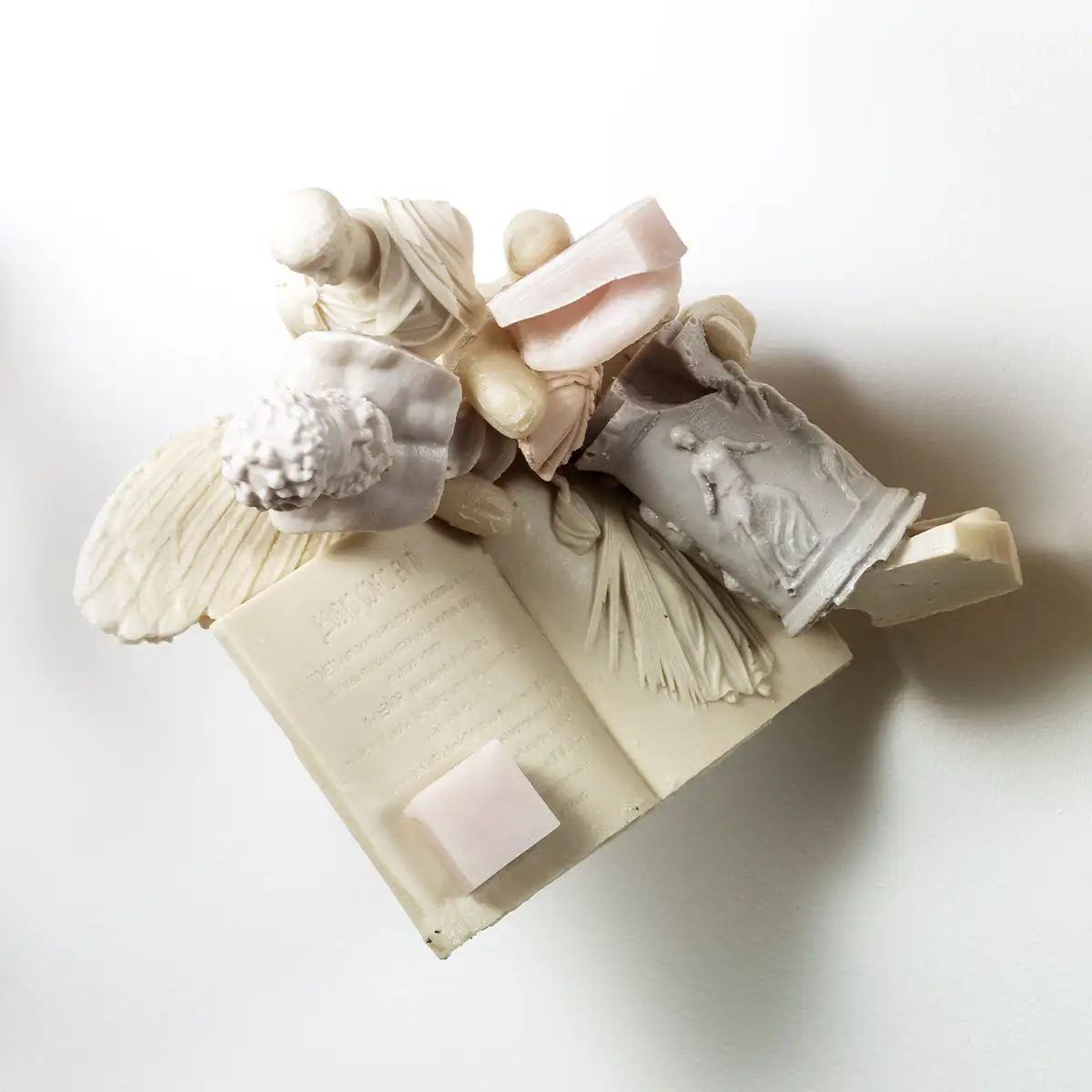
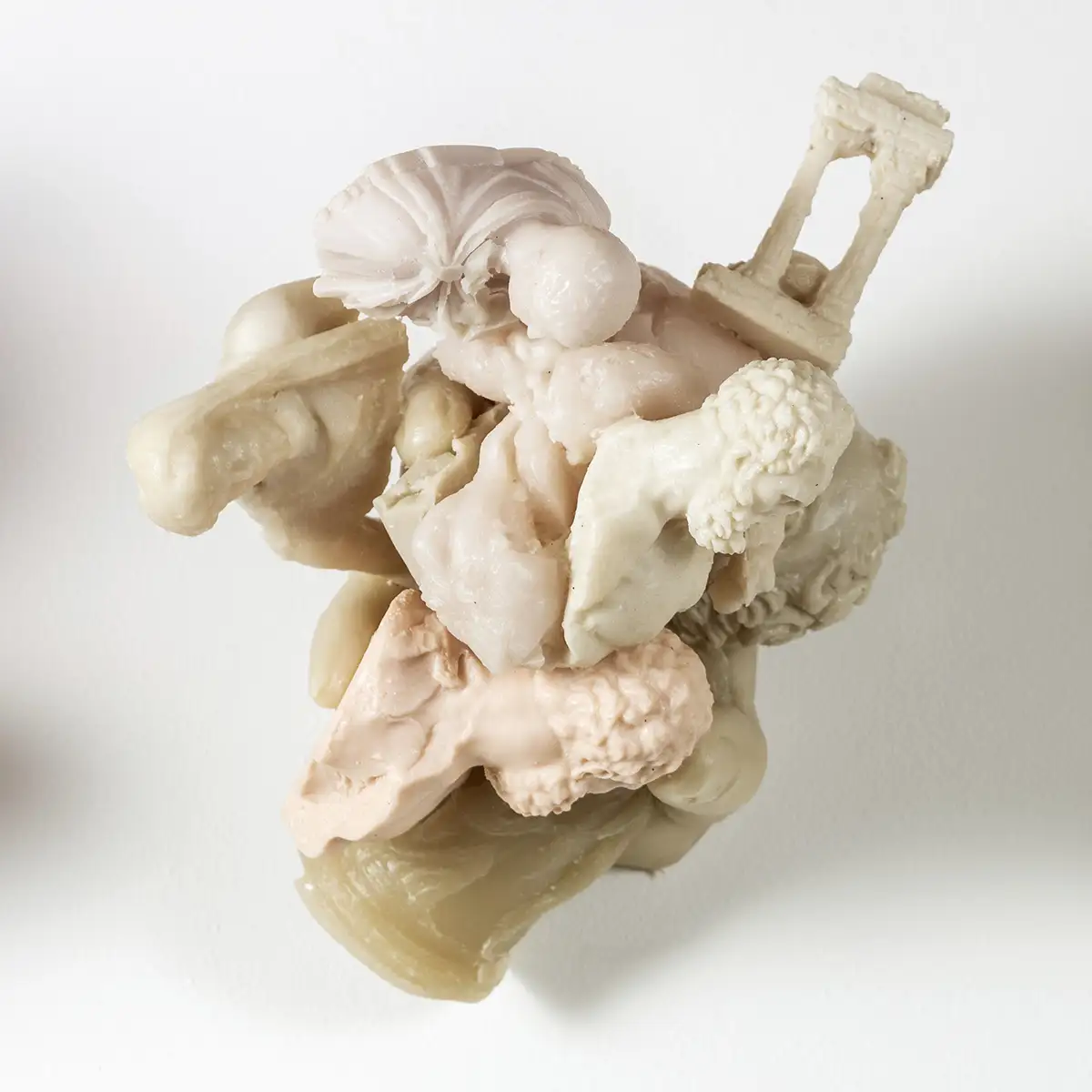
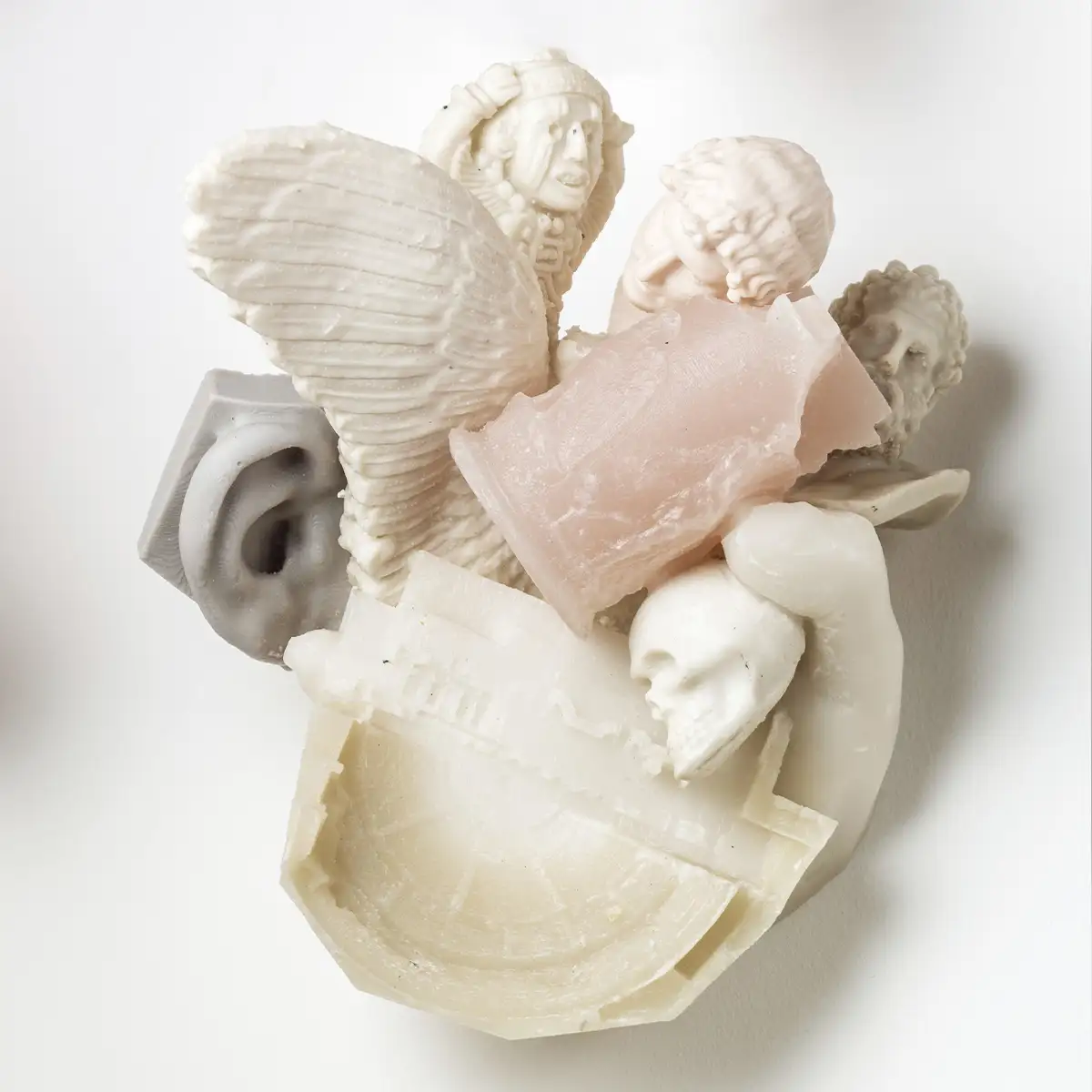
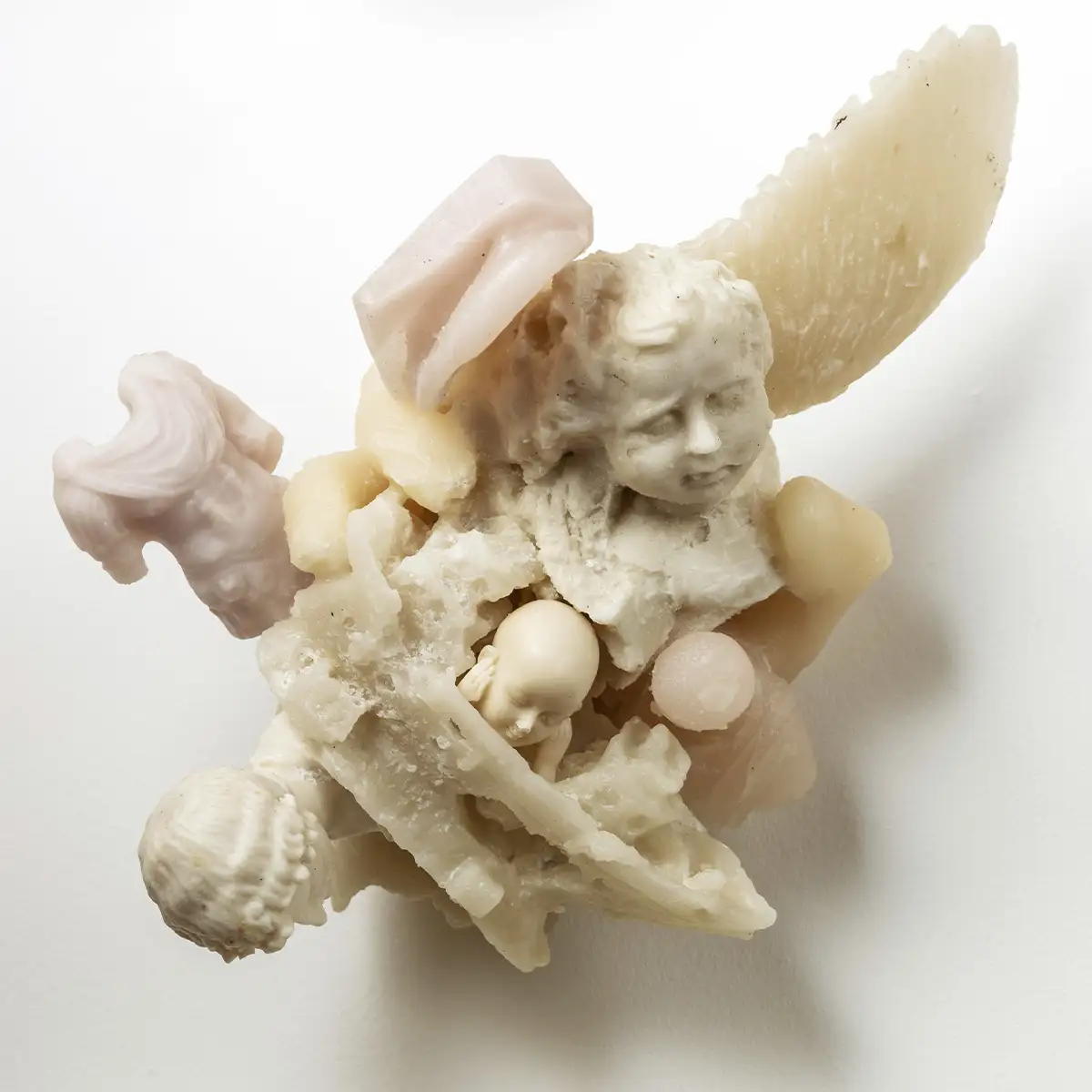
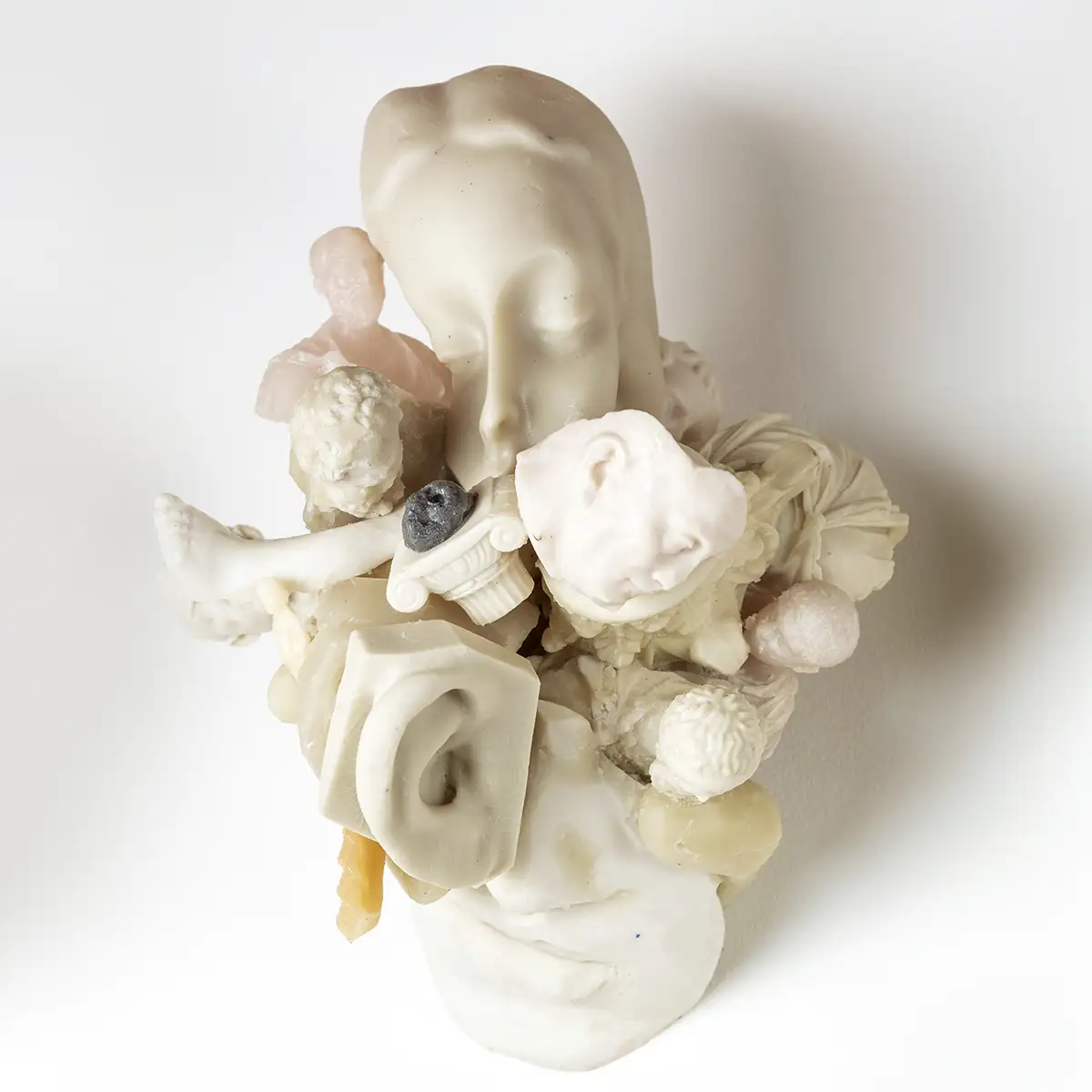
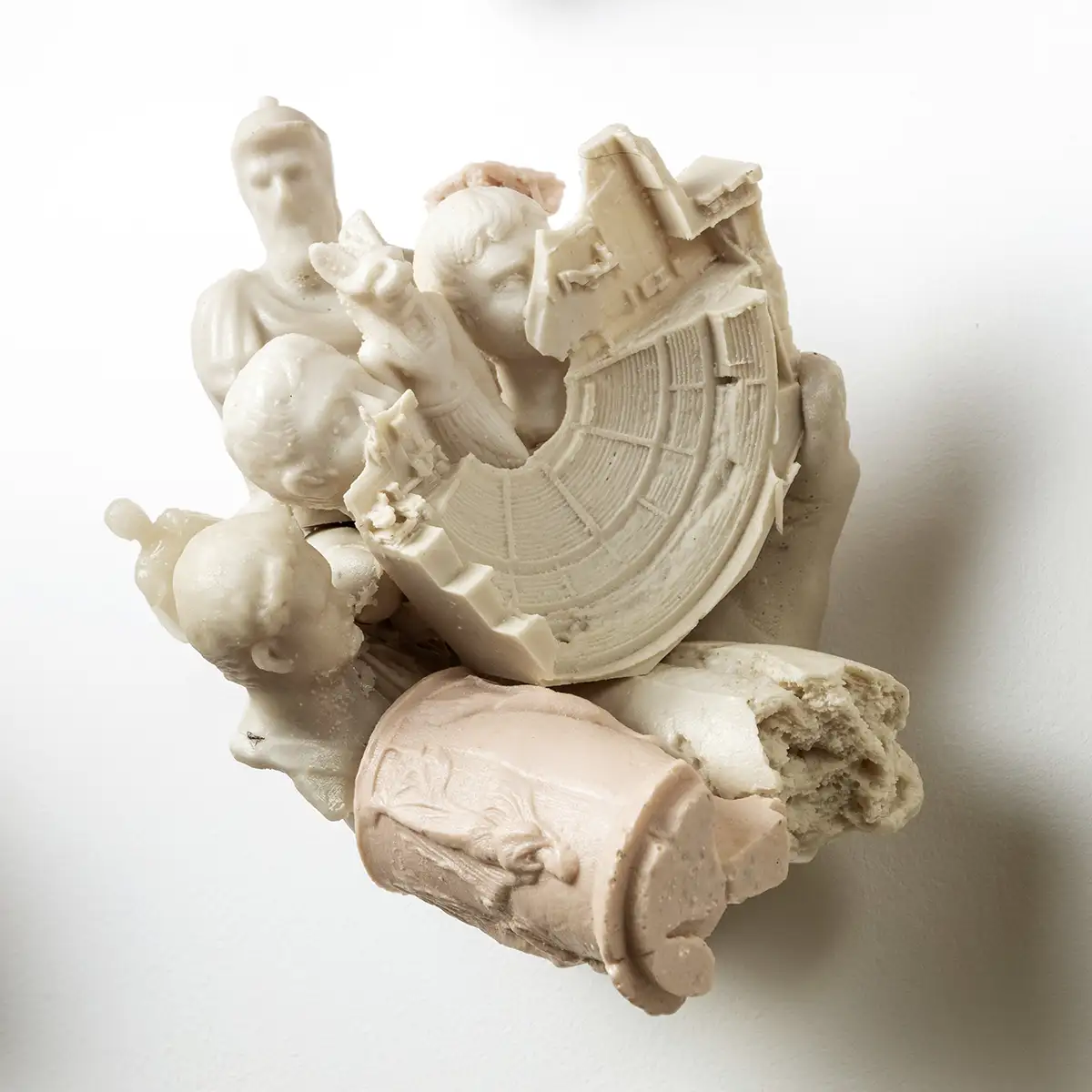
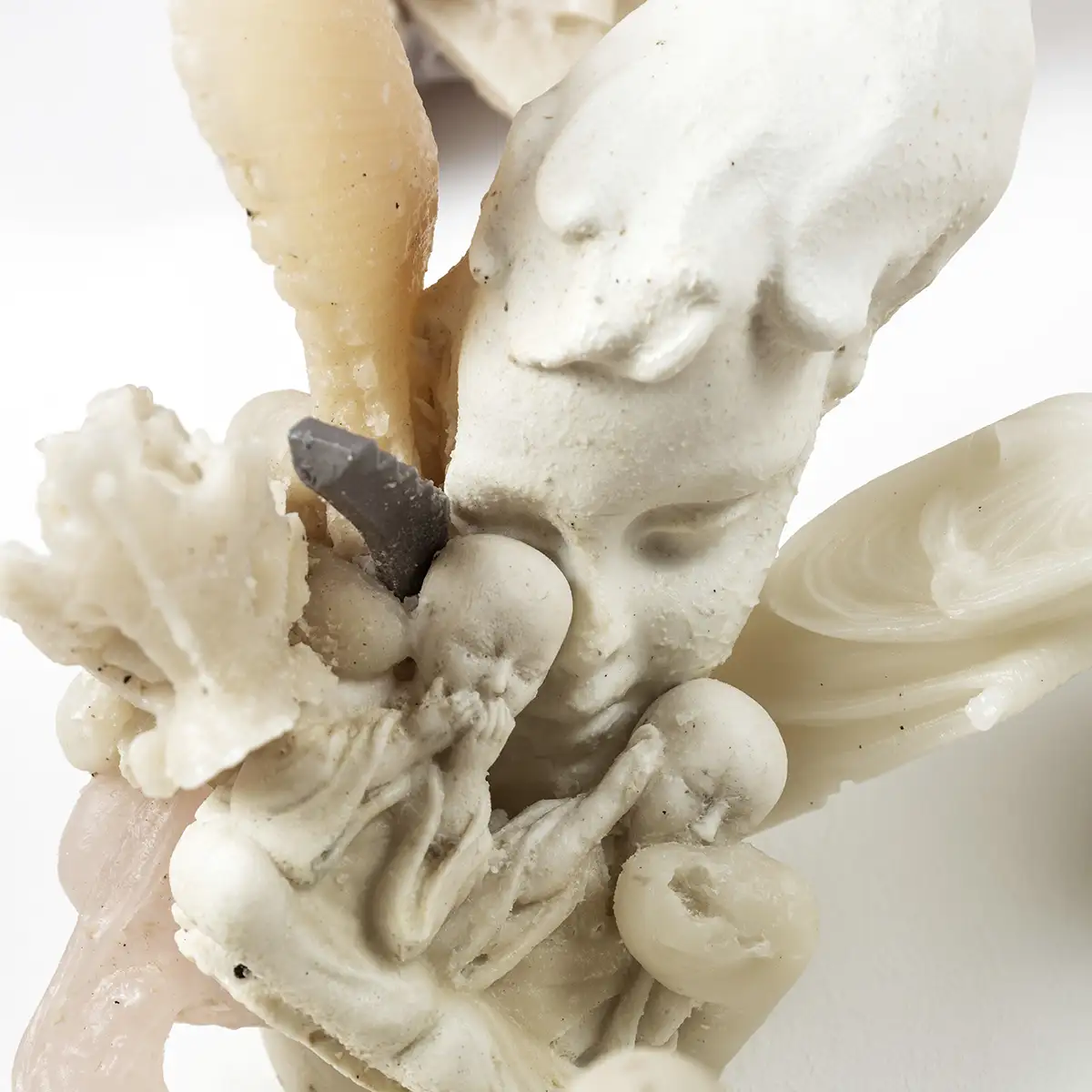
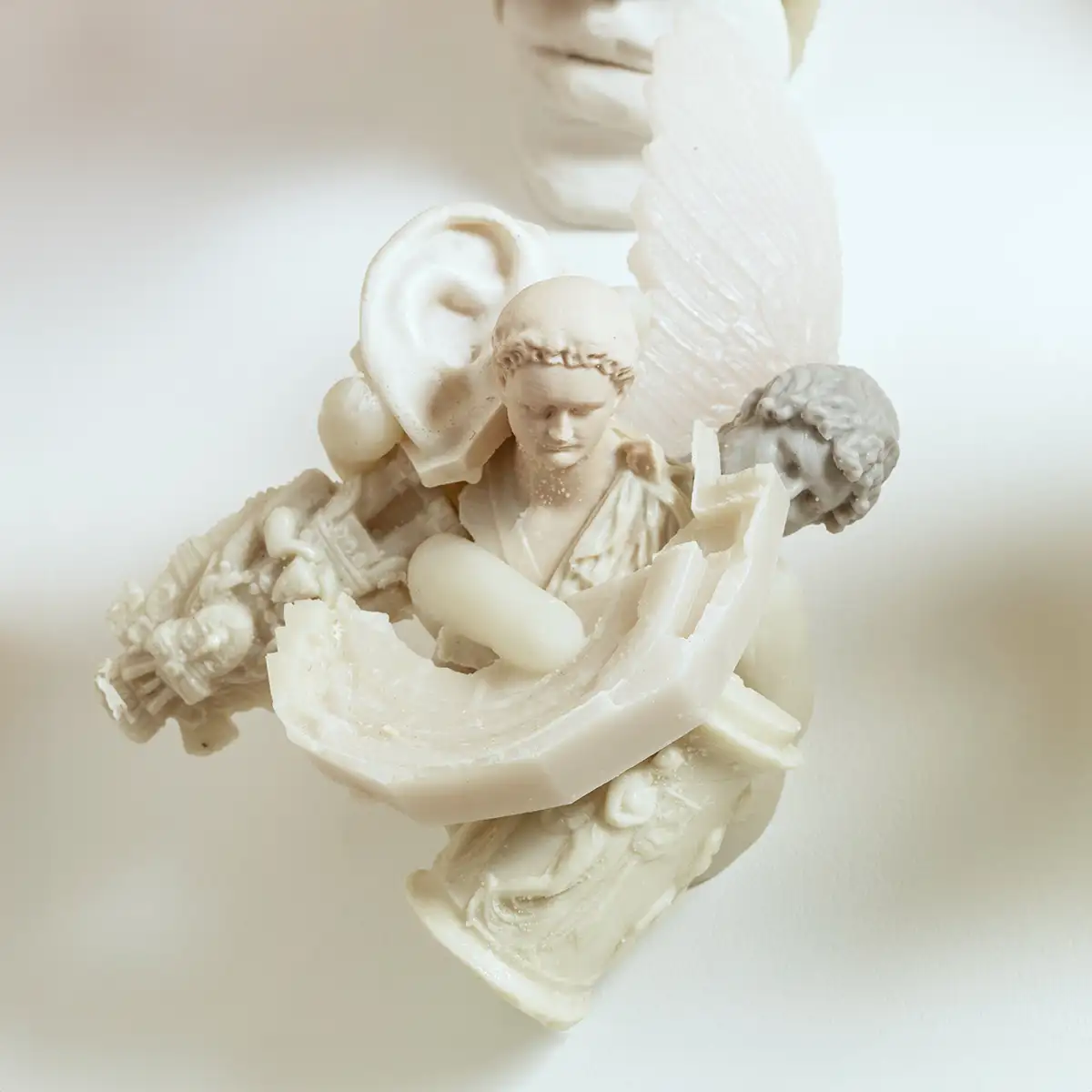
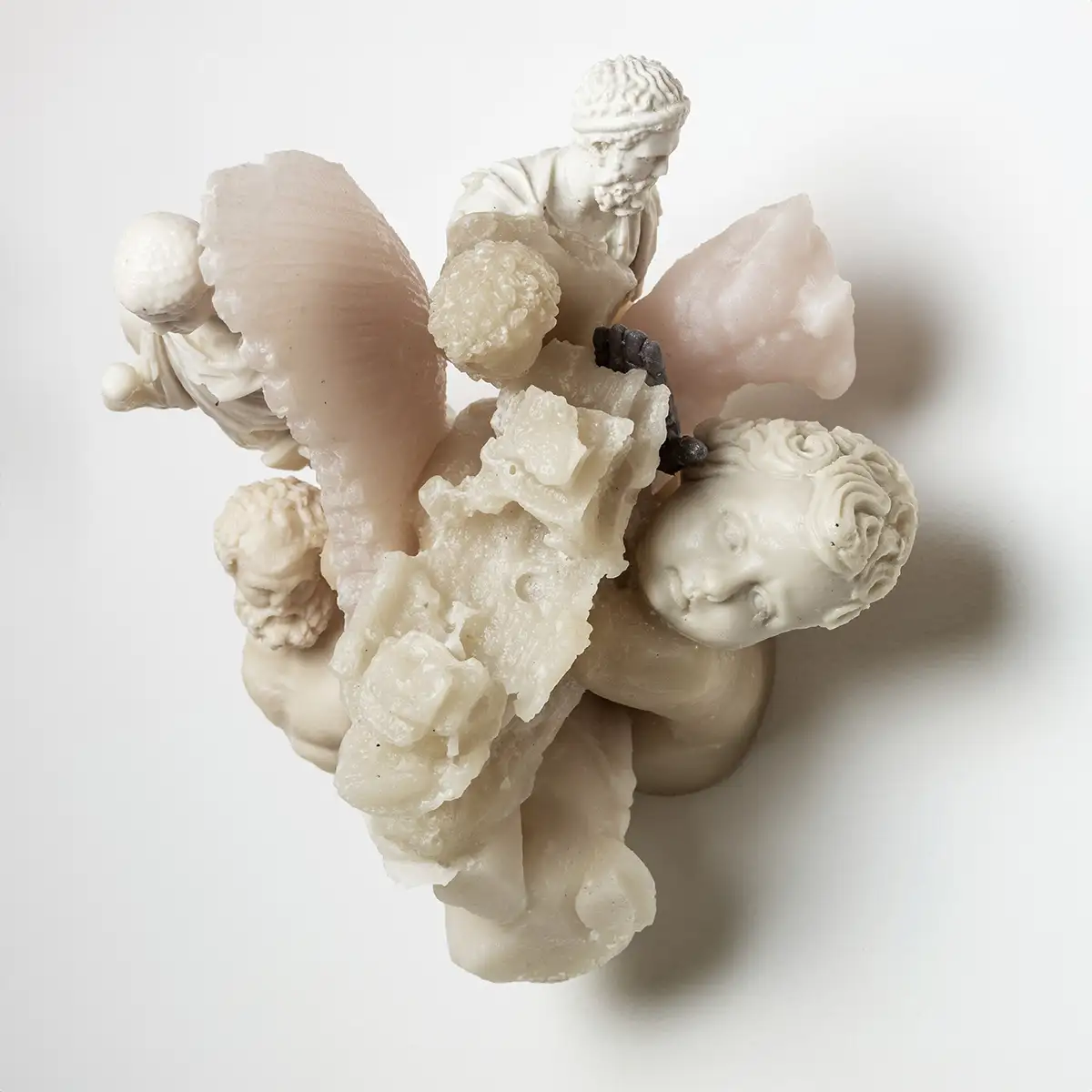
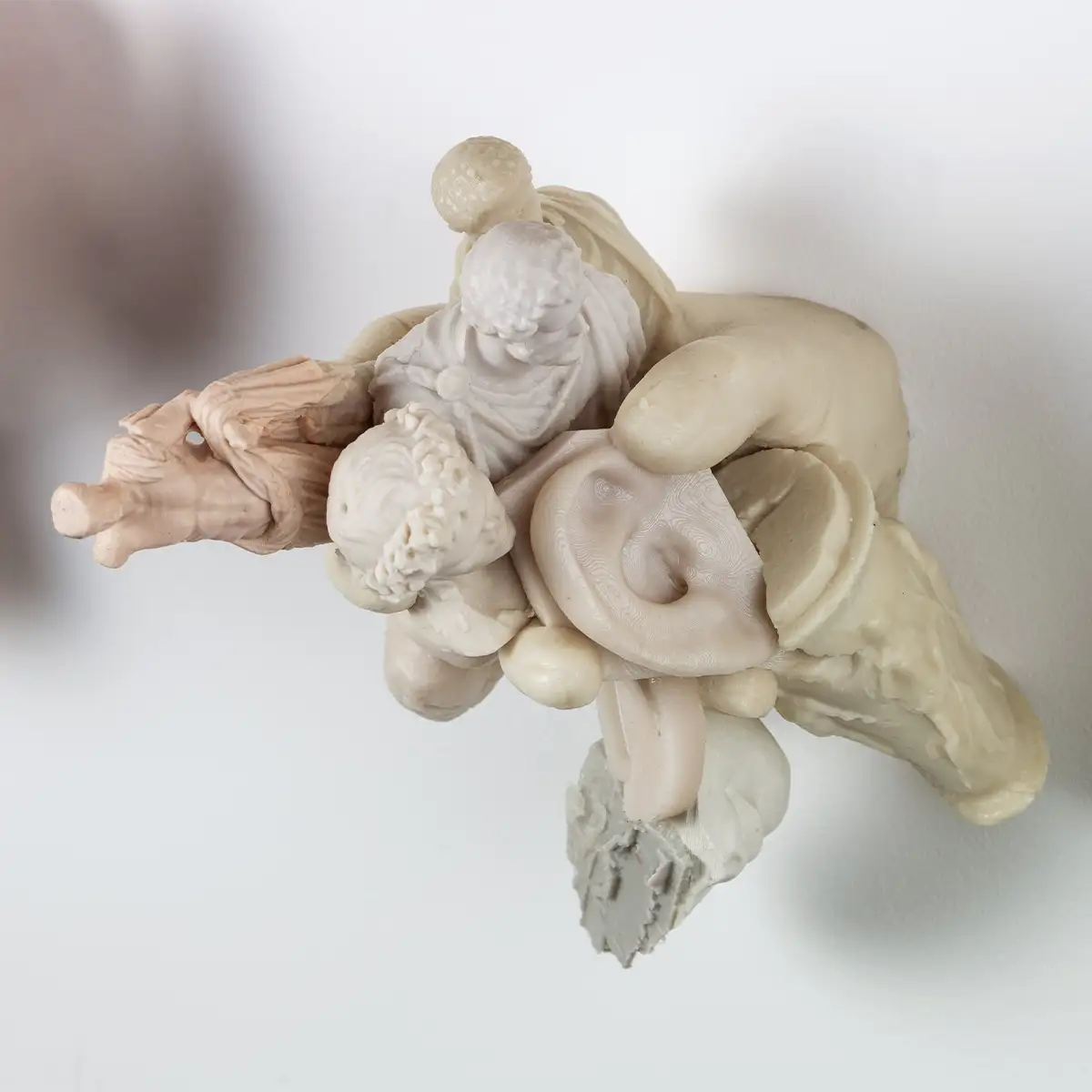
Dádiva: Memory Pierces Through, installed at the Roman Theatre Museum of Cartagena, is the result of thorough research and artistic work inspired by the history of ancient Rome as a creative driving force. The artist establishes a dialogue between past and present, unfolding a continuous exchange between ancient art and contemporary creation. This work invites us to consider the past as a form of contemporary creation, reminding us that the foundation of who we are and what we create lies in the history of those who lived before us.
Creative process
timeline of creation
Reflections on the Work
Rosario Guarino Ortega
In Dádiva, Lidó Rico offers us a journey through time that, in harmony with the location, takes ancient Roman culture as its reference. True to its name, the work centers on the dedication Emperor Octavian Augustus made to his grandsons, Gaius and Lucius Caesar—princes of youth, adopted heirs who tragically died in the prime of their lives.
The Roman Theatre of Cartagena, along with many other Roman buildings from Antiquity—such as the Maison Carrée in Nîmes—built during a period of transition between eras, stand as testimony to this hinge between the first century BC and AD.
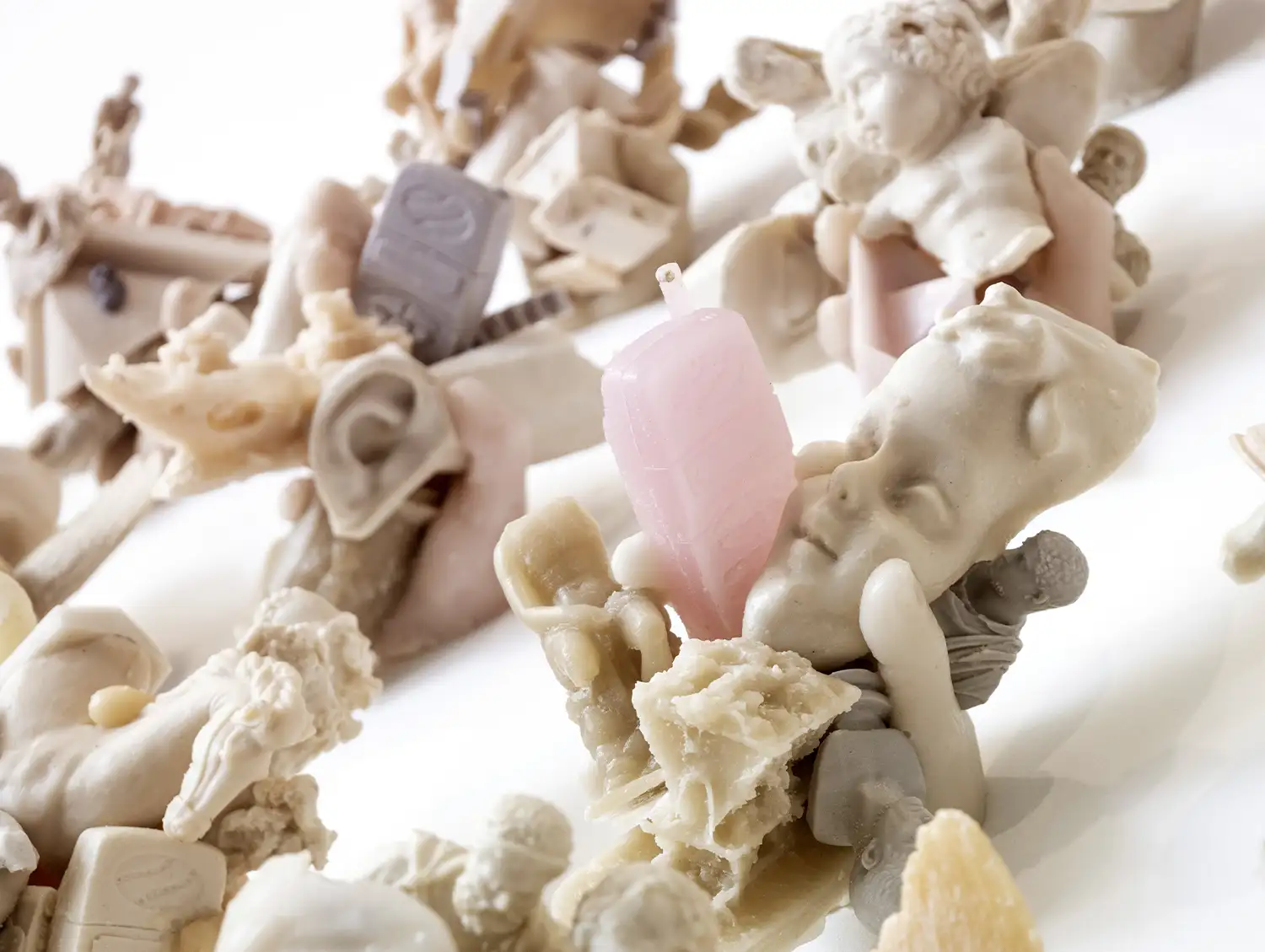
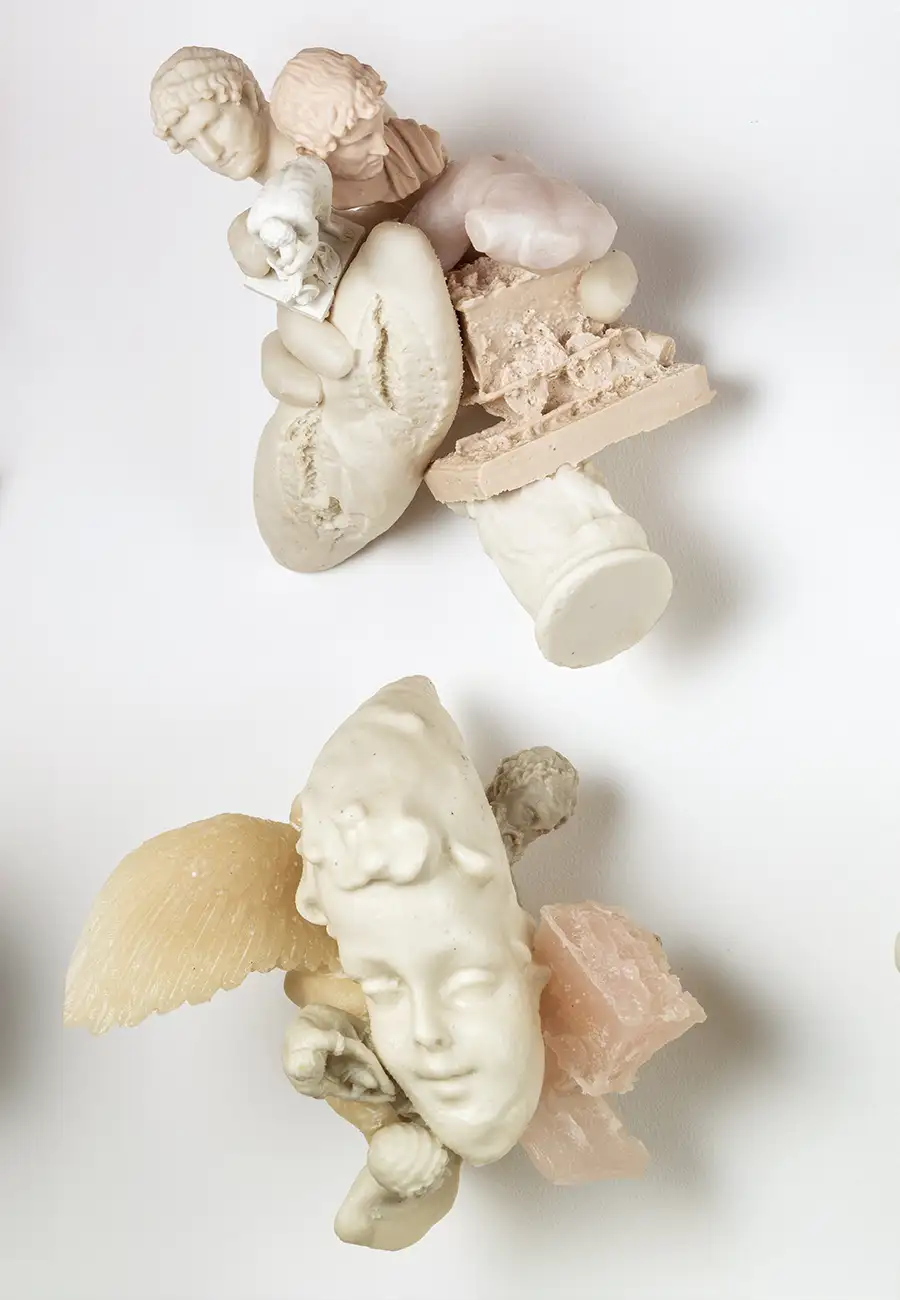
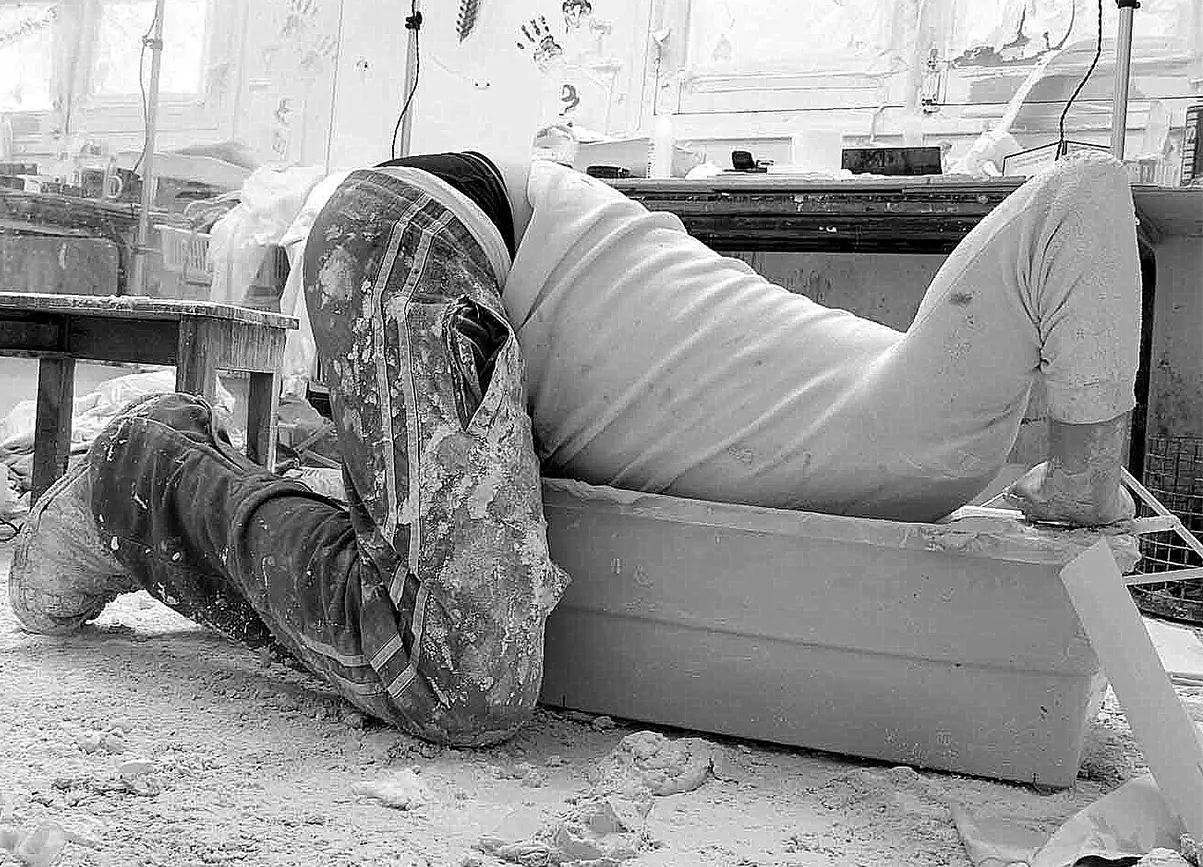
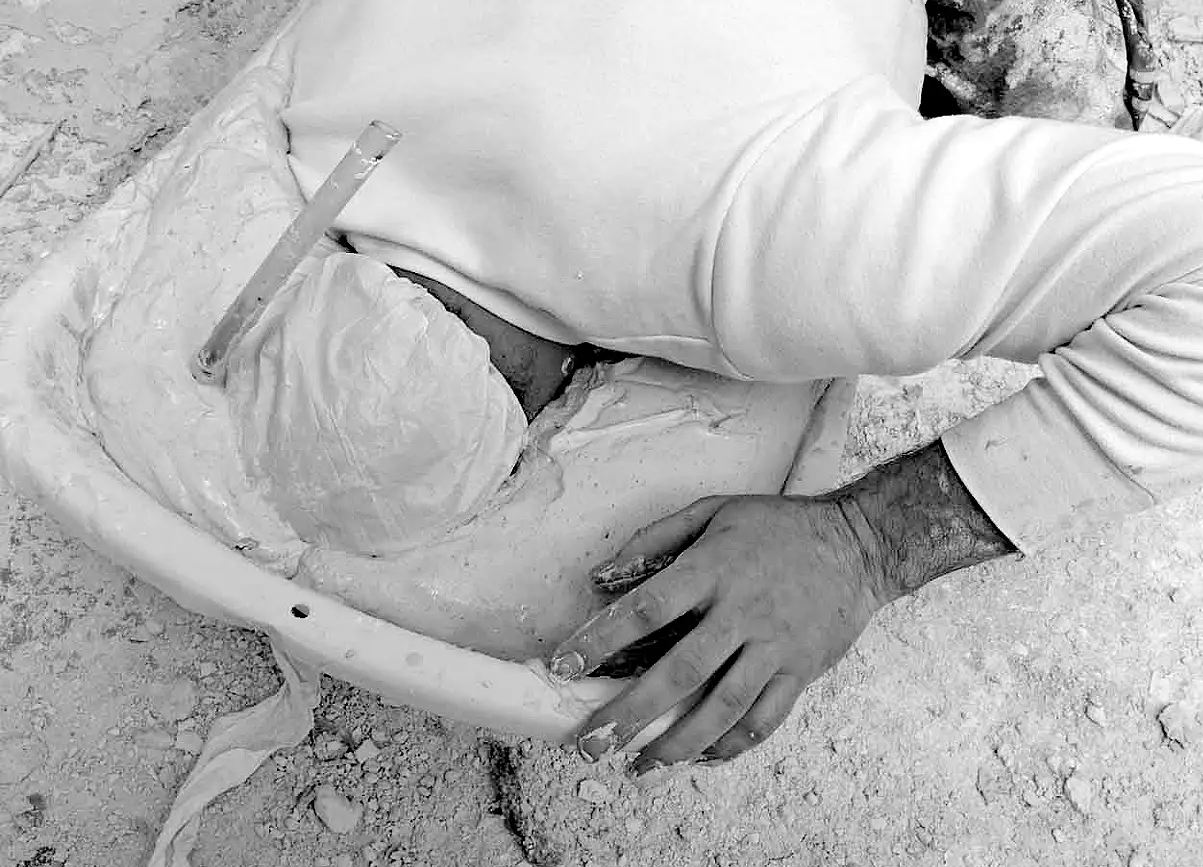
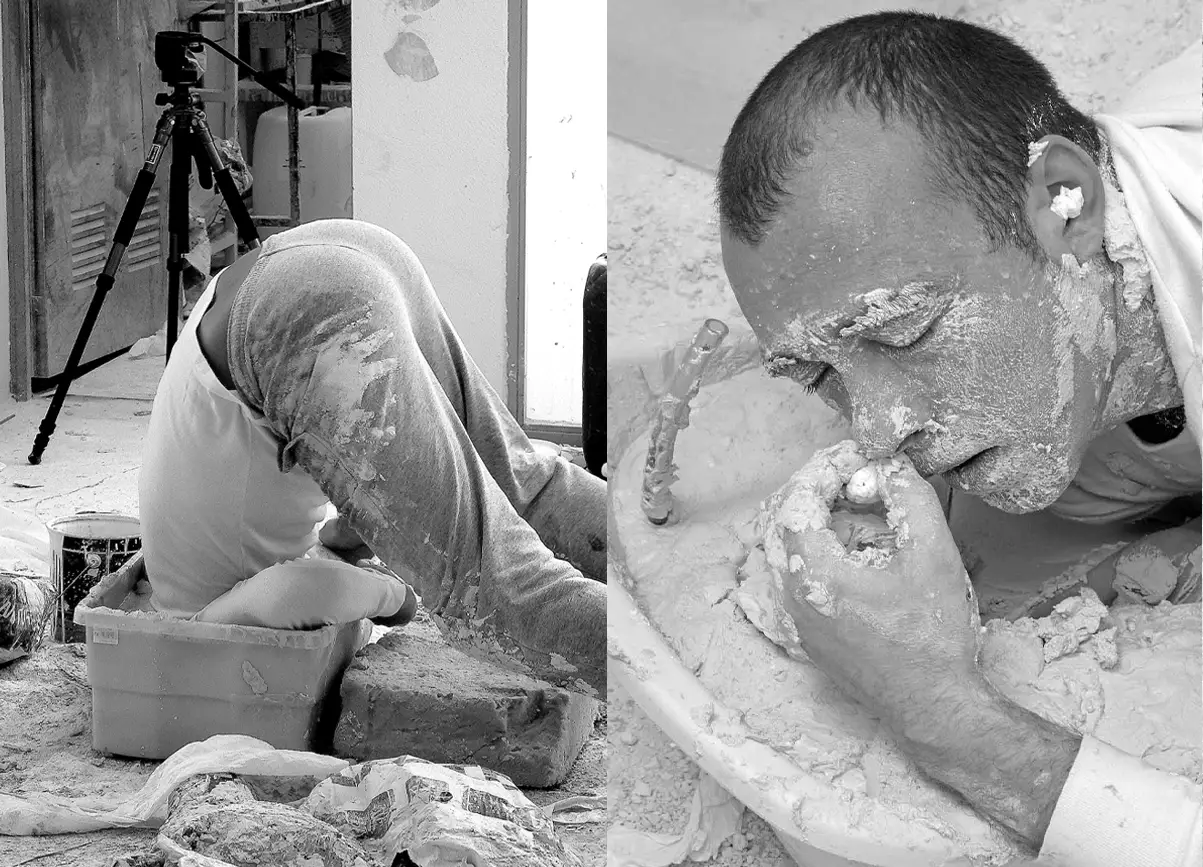
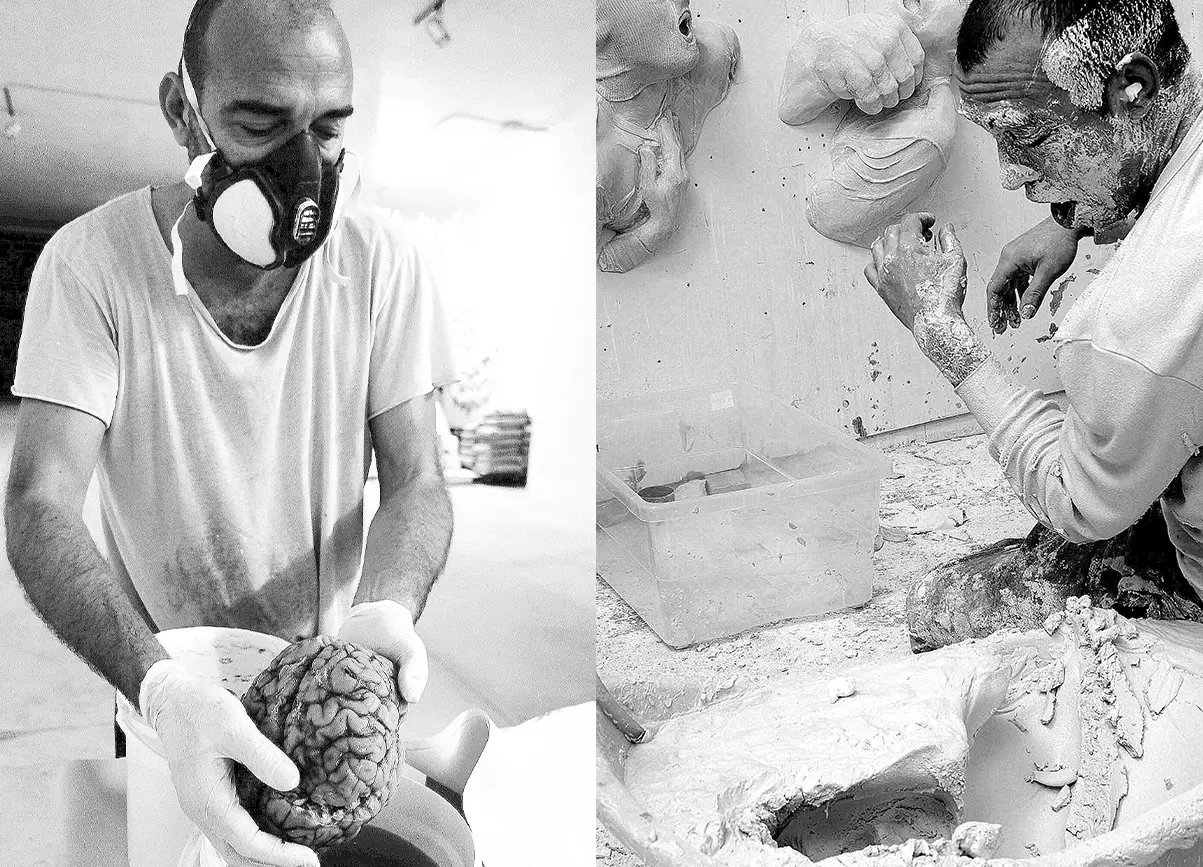
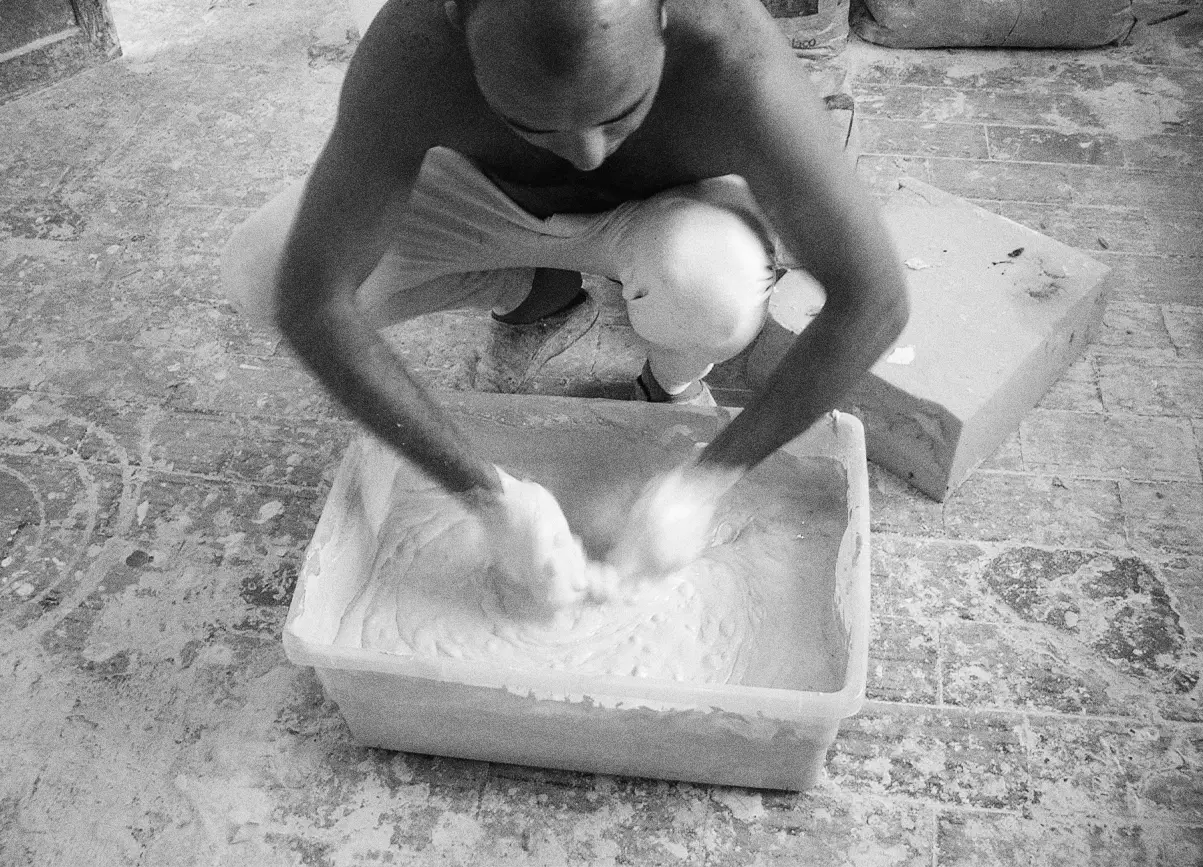
In crafting the pieces, parallels emerge with the Roman custom of making wax masks painted with the likenesses of noble deceased, modeled first in plaster over the body and displayed during funerals.
These masks were then kept in the atrium of homes alongside the titulum and elogium of the person portrayed (their name, titles, and a brief eulogy in their honor).
The land of Carthago Nova was also generous to the Romans, who from the late 3rd century BC extracted vast quantities of silver and lead from underground and open-pit mines, loading ships destined for the Eternal City. Yet, some vessels met their fate in shipwrecks, their cargo resting now in underwater wrecks, some still beneath the waters today.
Mining activity only resumed in the 19th and 20th centuries after a long hiatus. More than two millennia later, the artist from Yecla establishes a formal and conceptual dialogue with Antiquity, revealing another link in the long chain that connects us to the Romans—proving that even the most avant-garde creation finds nothing new under the sun.
Lidó Rico’s hands, molded in wax, are both instrument and artwork, giving form to the supports that hold objects and discourse alike, embodying the generosity and gratitude implicit in a gift. This exhibition moves the viewer, provoking reflection and appealing deeply to the emotions awakened by its contemplation.