The performance will combine architecture, art, and music in an innovative project that will transform the Iglesia Vieja into an immersive experience connecting us with the past.
Today, a project of great significance for Yecla was presented: the launch of a recovery and enhancement initiative for the Iglesia Vieja, a heritage building with over five centuries of history.
This project is part of the “Yecla Es+” Tourism Sustainability Plan (PSTD), funded by the European Union through Next Generation funds, and implemented by the Autonomous Community of the Region of Murcia via the Recovery, Transformation, and Resilience Plan, with an investment of 1.5 million euros. The planned intervention will combine architecture, art, and music in “an innovative project that not only preserves our past but projects it into the future as a living, accessible, and meaningful space,” stated Mayor Remedios Lajara.
The architectural proposal, designed by architect Ángel Rocamora, will create a Tourist Interpretation Center where visitors can trace the marks of time, wars, and the various uses of the church as if exploring an archaeological site. To achieve this, the original hill level will be reconstructed, vegetation incorporated, and an access pavilion added at the rear, along with interior walkways that remove architectural barriers.
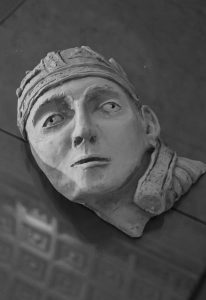
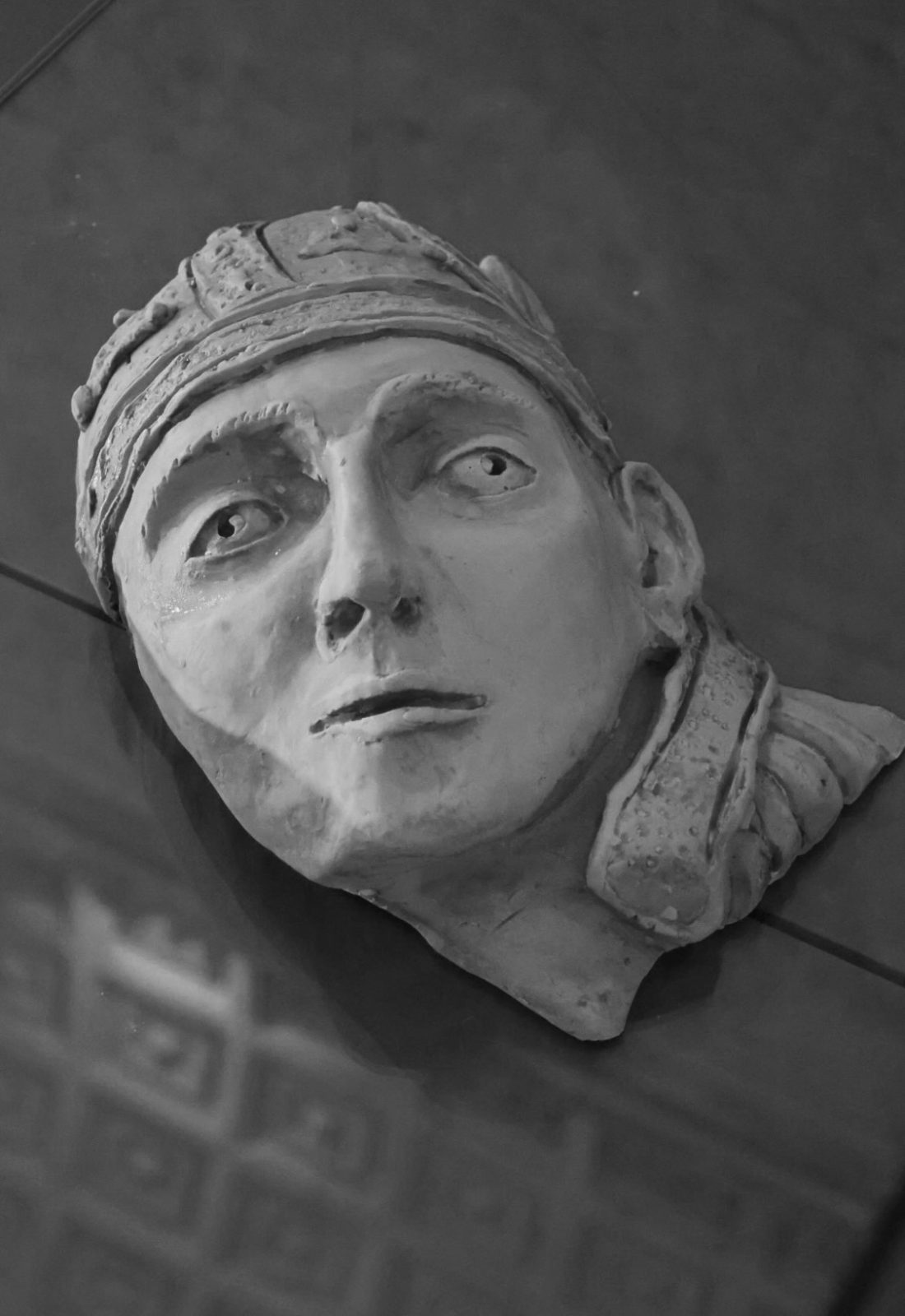
This historical narrative will be curated by Official Guide Alicia Soriano. The artistic intervention will be led by Yecla-born artist Lidó Rico, who will restore the 16th-century altarpiece, destroyed by fire on March 16, 1936, during the pre-Civil War unrest. This reinterpretation will evoke the dimensions, structures, and symbols of the original altarpiece while also reflecting the values of contemporary society—customs, festivals, roots, and devotion—through sculptures and installations emerging from the church walls.
Finally, Yecla composer Diego Corraliza will create the soundscape, “What Does Yecla Sound Like?”, providing visitors with a unique sensory experience throughout the tour.
This project is “another example of the city council’s commitment to recovering and enhancing our heritage, preserving our past, restoring part of our historical wealth, and strengthening its tourist projection,” concluded Mayor Remedios Lajara.
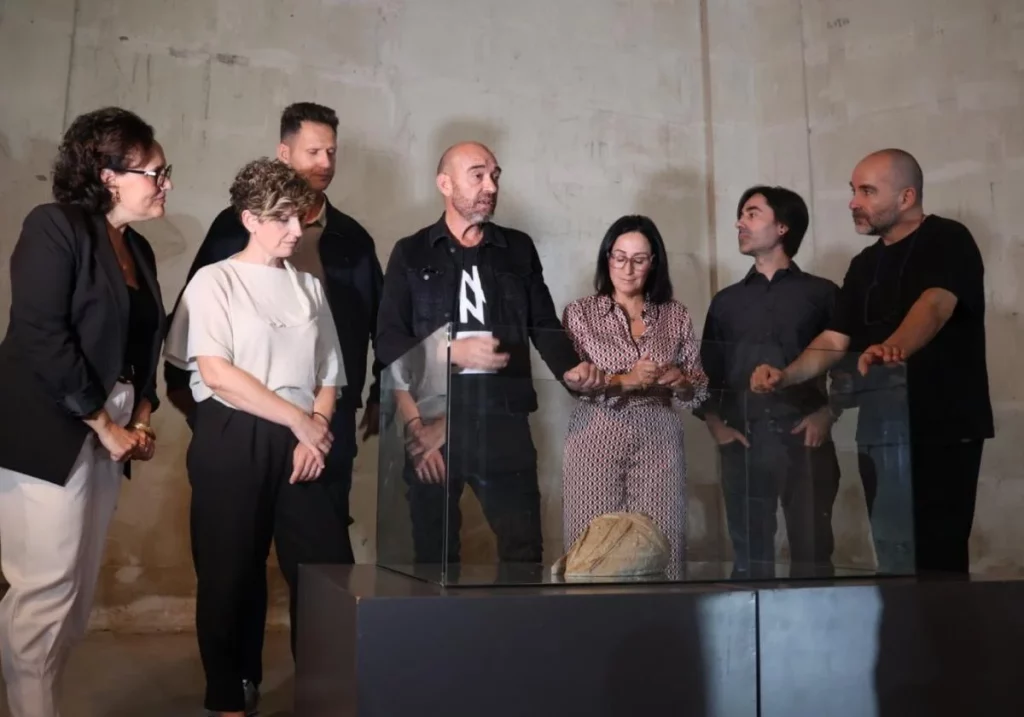
Artist Lidó Rico during the presentation of the Iglesia Vieja in Yecla, alongside Remedios Lajara, Mayor of Yecla, and the rest of the team involved in the project. / City Council of Yecla
The Emotional Art of Lidó Rico
One of the central elements of the project is the intervention by Yecla-born artist Lidó Rico, who will reinterpret the 16th-century altarpiece destroyed in 1936. Rico emphasized the emotional significance of the project, stating:
“This is where I was born, where my people are. Thanks to this town, I am who I am.”
His artistic proposal goes beyond mere reconstruction:
“It can’t just be a reproduction. You put that in a computer and anyone can do it. This has to impact, to move people,” expressed the internationally recognized artist.
The new altarpiece will include sculpted faces modeled individually, inspired by the original tower heads, as well as symbols and decorative motifs that evoke the essence of Yecla. He will also model the twelve apostles, each bearing a local distinguishing feature.
Lidó Rico describes it as “an inclusive project, in which everyone will see themselves reflected—from associations to wineries to centuries-old vines.” He also highlighted that his goal is for this intervention to become an “international attraction” that draws visitors to Yecla.